Introduction
Tesla, once the undisputed leader of the electric vehicle (EV) revolution, is facing an unexpected challenge: a surge in trade-ins. Across the United States, Tesla owners are turning in their keys, driven by a mix of political controversy and social backlash. Seizing this moment, rival automakers such as Polestar, Lucid Motors, Volvo, and Ford are offering enticing incentives designed to lure Tesla owners into switching brands.
At Trenzest, we believe these developments signal a pivotal moment for the EV market. Understanding these shifts can help entrepreneurs, marketers, and tech enthusiasts stay ahead of the curve. In this article, we’ll break down the reasons behind the Tesla trade-in surge and how competitors are leveraging the opportunity.
Why Tesla Owners Are Trading In Their Vehicles
Political Controversy and Public Perception
Tesla CEO Elon Musk’s increasingly polarizing political stances have alienated a segment of his once-loyal customer base. Following reports that Musk contributed substantial financial support to political figures like Donald Trump and facilitated influence via cryptocurrency moves (notably DOGE), Tesla’s brand perception has taken a hit.
Movements such as the Tesla Takedown have emerged globally, encouraging boycotts and public disapproval. As political affiliations increasingly influence consumer behavior, many Tesla owners no longer wish to be associated with the controversy surrounding Musk.
Safety Concerns and Vandalism
Beyond political disagreement, Tesla owners face practical concerns—namely, vandalism. Increasing incidents of Tesla property defacement, including keying, spray painting, and even arson, have made owning a Tesla a potential liability. In response, U.S. authorities, including President Trump, have labeled violent attacks on Teslas as acts of domestic terrorism.
According to Joseph Yoon, consumer insights analyst at Edmunds, many Tesla owners are willing to part with their vehicles even at a loss, prioritizing safety and social comfort over brand loyalty.
Automakers Respond with Competitive Incentives
Recognizing an opportunity to capture disillusioned Tesla owners, competing automakers have launched aggressive incentive programs. These offers, known as “conquest bonuses,” aim to make the switch financially attractive and emotionally satisfying.
Polestar’s Aggressive Conquest Offers
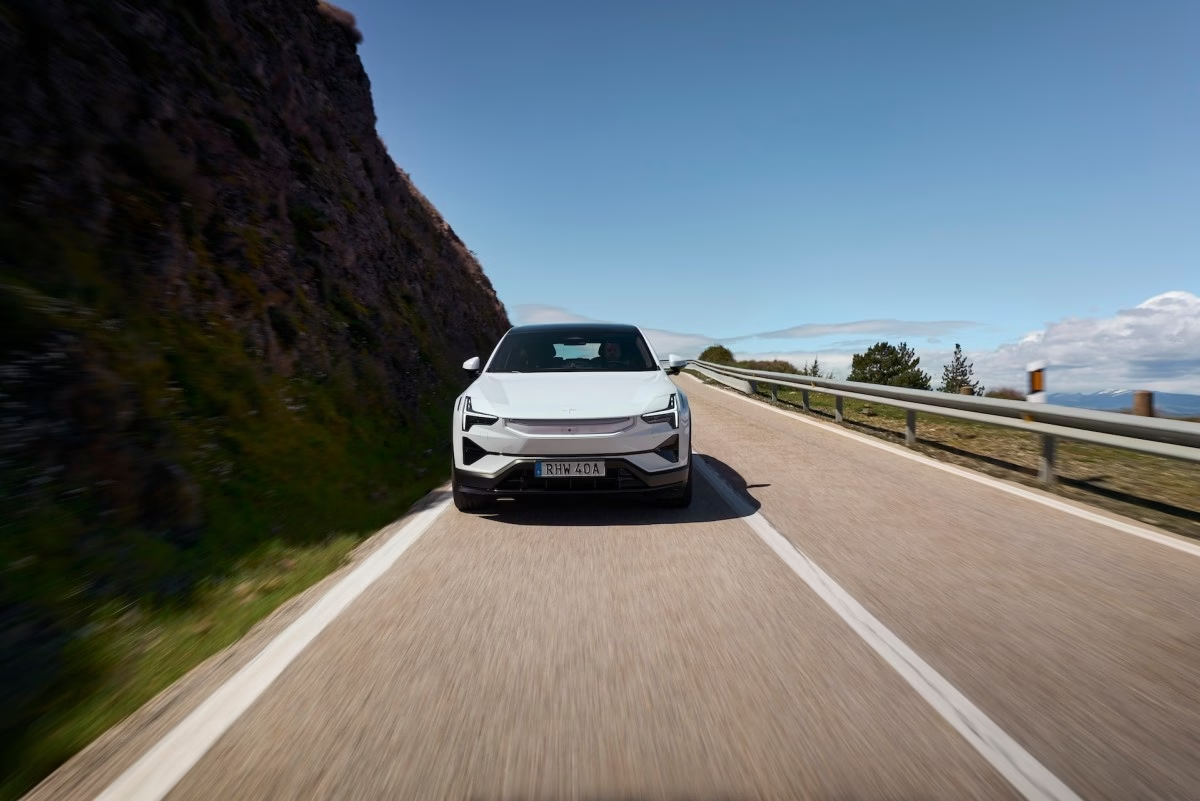
In February, Polestar introduced a $5,000 discount for Tesla owners looking to lease the new Polestar 3 crossover. Jordan Hofmann, Head of Sales at Polestar, noted that the campaign led to “some of the highest order days” the company had ever recorded.
When combined with additional federal and state-level Clean Vehicle Incentives—up to $15,000—Tesla owners could save nearly $20,000 on a 2025 Polestar 3, a figure impossible to ignore.
Lucid Motors and Volvo Join the Race
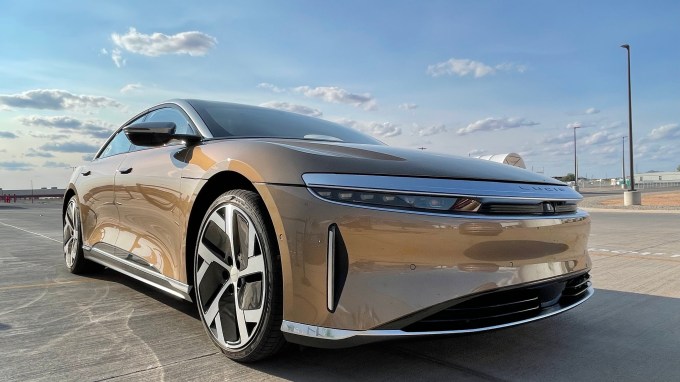
Lucid Motors quickly followed suit, offering Tesla owners up to $4,000 in discounts on its 2025 Lucid Air sedan. This includes $2,000 for purchasing the vehicle and an additional $2,000 for trading in an existing Tesla. Buyers who pick a vehicle from a sales studio inventory can pocket another $1,000 discount.
Meanwhile, Volvo announced a nationwide promotion offering a $1,000 incentive for current Tesla owners and lessees purchasing a new 2024 electric Volvo or a refreshed 2025 model. Interestingly, Volvo’s offer does not even require purchasing an EV, broadening its appeal to customers interested in hybrid options like the XC90 plug-in hybrid SUV.
Ford’s Limited-Time Offer
Ford also launched a $1,000 discount aimed at Tesla owners transitioning to a new Mustang Mach-E or F-150 Lightning. Although the offer concluded on April 2, it demonstrates how serious traditional automakers are about chipping away at Tesla’s once-commanding market share.
The Economic Impact of Tesla Trade-Ins
Trade-ins typically allow dealerships to refurbish and resell vehicles at a slight margin. However, the Tesla situation is different. According to Sean Tucker, Lead Editor at Kelley Blue Book, the volatile public perception of Tesla has made it difficult to establish stable resale values.
Smaller automakers like Polestar and Lucid are even willing to accept financial losses on these trade-ins. Their goal isn’t immediate profit but rather market penetration—removing Teslas from the road while increasing their own visibility.
This tactic mirrors classic competitive strategy approaches where smaller brands capitalize on the vulnerabilities of market leaders.
Explore More: Competitive Strategy Explained
Future Outlook: How Political Climate and Tariffs May Shape the EV Market
Adding another layer of complexity, President Trump’s new automotive tariffs could influence EV buyer behavior. Tesla’s advantage lies in domestic manufacturing, with fewer imported parts compared to newcomers whose supply chains involve foreign components.
As Joseph Yoon noted, “Tesla’s big edge is that its most popular vehicles are manufactured here.” With tariffs potentially raising the prices of EVs built with imported parts, Tesla may regain some competitive advantage—unless public sentiment continues its downward trend.
The next few quarters will be pivotal, and businesses monitoring these shifts, like Trenzest, will have the upper hand in adapting to market changes.
How Trenzest Tracks These Emerging Trends
At Trenzest, we specialize in tracking fast-moving trends across industries—especially in technology and mobility sectors. We combine real-time analytics, expert insights, and future-forward strategies to help entrepreneurs, marketers, and businesses stay ahead.
Want to stay updated on how industry shifts like Tesla’s trade-in surge could affect your business or investments? Check out the Trenzest Blog for more in-depth analysis and actionable insights.
If you’re ready to navigate the evolving automotive landscape or need help leveraging upcoming opportunities, contact Trenzest today.
Conclusion
The sharp rise in Tesla trade-ins signals more than just a shift in consumer preferences—it marks a realignment of the entire EV market landscape. Political controversies, safety concerns, and emerging competition are reshaping brand loyalties once thought unshakeable.
For Tesla’s competitors, the strategy is clear: capture disillusioned customers now and secure long-term market share. For consumers and businesses alike, staying informed will be crucial.
Brands like Polestar, Lucid, Volvo, and Ford are not just responding to a moment—they are reshaping the future of EV ownership. By tracking these developments through resources like Trenzest, you can make smarter decisions in an increasingly complex market.