Introduction: Tesla’s Vision of a Driverless Future
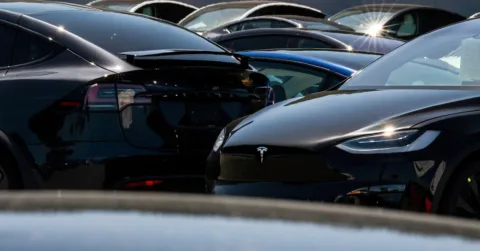
Tesla, the electric vehicle giant led by Elon Musk, has long teased a future where owners can deploy their Teslas as fully autonomous taxis—earning passive income while their cars chauffeur passengers without human intervention. This concept, dubbed “robotaxi,” is part of Musk’s grander vision to reshape transportation. However, despite repeated promises, Tesla has yet to provide a concrete timeline for its release.
The Reality of Tesla’s Autonomous Capabilities
Tesla currently offers two key driver assistance technologies: Autopilot and Full Self-Driving (Supervised). Despite their branding, neither system allows for full autonomy. Both still require the driver’s hands on the wheel and eyes on the road.
Autonomous driving—true Level 4 or Level 5 autonomy as defined by the SAE International standards—means a vehicle operates without any human involvement. Tesla isn’t there yet.
This distinction is vital. Many consumers and even some marketers misunderstand Tesla’s current capabilities, assuming its vehicles are closer to full autonomy than they actually are.
Safety Concerns and Technology Limitations
Tesla’s driving technology has faced intense scrutiny:
Federal investigations into accidents involving Autopilot.
Multiple recalls tied to system malfunctions.
Customer reports of “phantom braking,” where vehicles abruptly stop for no reason.
Auto industry analyst Sam Abuelsamid from Telemetry Insight notes that Tesla’s Full Self-Driving (Supervised) can operate flawlessly for hours—only to make sudden, severe errors without warning or repetition. These unpredictable behaviors undermine confidence in the system’s reliability.
Tesla’s Camera-Only Approach: Smart or Short-Sighted?
Unlike competitors who use a suite of sensors—including LiDAR and radar—Tesla relies solely on camera-based vision. While this reduces hardware costs, it has trade-offs:
Sun glare and poor lighting can reduce visibility.
Emergency vehicle collisions have been linked to detection failures.
Critics argue that sacrificing sensor diversity for affordability may increase risks, especially in complex, real-world environments. Still, Tesla’s cost-effective strategy could help it scale its technology faster—bringing advanced systems to market quicker than sensor-heavy rivals.
The Growing Competition in the Autonomous Space
Tesla isn’t alone in the race to autonomy. Several major players have already launched or announced robotaxi initiatives:
Waymo (Google/Alphabet): Operating in Phoenix, San Francisco, Los Angeles, and Austin, with plans for Atlanta and Miami via Uber partnerships.
Zoox (Amazon): Set to debut a Las Vegas autonomous service in 2025.
May Mobility: Targeting Atlanta for autonomous rides through the Lyft app.
VW’s Moia: Preparing for a 2026 Los Angeles rollout.
These companies are setting the pace—and highlighting the complex logistics Tesla must tackle to catch up.
Infrastructure and Human Support: Hidden Challenges
Launching a robotaxi service isn’t just about technology. It requires significant infrastructure and human support systems, such as:
Remote assistance operators to guide passengers.
Maintenance teams for upkeep and repair.
Cleaning crews to sanitize interiors between rides.
VW’s Moia, for instance, has been running an electric ride-sharing service in Hamburg, Germany since 2019. Their key takeaway? You need a decentralized network of depots for charging, maintenance, and safety checks—spanning across cities.
Tesla, despite its innovation, has yet to reveal how it will address these real-world logistics at scale.
Where Tesla Stands Today—And What It Needs to Succeed
While Tesla’s autonomous efforts are promising, the company faces regulatory scrutiny, public skepticism, and intense competition. Musk recently claimed Tesla is being “super paranoid about safety”, but public trust must be earned through consistent, real-world performance.
To succeed, Tesla must:
Demonstrate repeatable safety across various geographies.
Establish operational infrastructure for large-scale deployment.
Improve public education around the limits of its current tech.
Trenzest’s Insight: What This Means for Entrepreneurs and Tech Strategists
At Trenzest, we monitor how innovations like Tesla’s robotaxi ambitions shape tech trends, business opportunities, and consumer behavior. Whether you’re a startup founder, investor, or marketer, autonomous mobility opens new lanes for:
On-demand service startups tailored to AI-powered transport.
B2B SaaS tools for managing AV fleets and rider experiences.
Digital marketing strategies that educate and convert in this emerging niche.
Conclusion: The Long Road to Autonomy
Tesla’s robotaxi vision is bold—but execution is everything. While rivals are already offering limited driverless services, Tesla is still refining its core technology and strategy. Its camera-based system may disrupt the industry if proven safe and scalable, but for now, caution is warranted.
The race toward autonomous driving is no longer hypothetical. It’s here—and it’s competitive. Tesla must prove it’s not just part of the conversation but capable of leading it.
Want to explore more about how AI, mobility, and automation can drive your business forward? Visit Trenzest and stay ahead of the curve.