
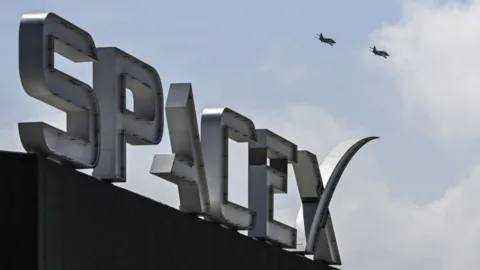
Introduction: SpaceX’s Vision Beyond Earth
Elon Musk’s SpaceX has never shied away from pushing boundaries—from reusable rockets to ambitions of colonizing Mars. Now, it’s taking another bold step, but this time closer to home. The area surrounding SpaceX’s Starbase launch facility in southern Texas has officially voted to become a city—aptly named Starbase, Texas.
This move signifies more than just a name change; it’s a symbolic and strategic milestone reflecting SpaceX’s long-term vision of community-driven innovation, autonomy, and space-forward living.

The Birth of Starbase: A City Built by Innovation
On Saturday, residents in the area surrounding the Starbase launch site voted overwhelmingly to incorporate the community into an official city. According to the Cameron County Elections Department, 212 voted in favor, with only 6 against. The decision marks a turning point in how private enterprises can influence not just industries—but entire municipalities.
Musk celebrated the occasion on his platform, X (formerly Twitter), proclaiming, “Starbase, Texas is now a real city!”
The Election: A City by the People of SpaceX
The newly minted city’s initial government is composed of individuals closely tied to SpaceX. Voters selected three unopposed candidates: Bobby Peden as mayor, and Jordan Buss and Jenna Petrzelka as city commissioners. All three are current or former SpaceX employees, underscoring the close relationship between the company and the community it’s building.
While Starbase’s population is relatively small and largely consists of SpaceX employees, its formation could set a precedent for corporate-driven community models.
Why Incorporate? Strategic Motives Behind the Move
Although SpaceX hasn’t publicly detailed all the reasons for incorporation, the implications are clear. The company currently manages key services in the area, including:
Road maintenance
Utilities
Basic education and medical care provisions
By formalizing Starbase as a city, SpaceX can potentially streamline launch operations and better control zoning, security, and public access—especially to Boca Chica Beach and nearby state parks. This move may grant the company more authority to restrict access during rocket launches, enhancing safety and reducing red tape.
Musk’s Motivation and the Shift to Texas
Elon Musk has been vocal about his growing discontent with California’s regulations. In 2023, he relocated SpaceX’s headquarters from El Segundo, California to the Starbase site in Texas, citing issues ranging from safety concerns to controversial state legislation.
“I’d had enough of dodging gangs of violent drug addicts just to get in and out of the building,” Musk said, citing a California bill on parental disclosure in schools as the final straw.
This shift further reinforces Texas as a hub for Musk’s ventures—not just for SpaceX, but also Tesla’s Gigafactory and The Boring Company.
Community Building for the Future of Space Travel
An official X account representing Starbase tweeted:
“Becoming a city will help us continue building the best community possible for the men and women building the future of humanity’s place in space.”
This statement reflects a long-term vision: to create a space-oriented society where engineers, scientists, and explorers live and innovate side by side. It’s a concept that echoes early company towns in the U.S., but with a modern, space-age twist.
What This Means for Innovation and Private Space Industry
Starbase is more than a support hub for rocket launches—it’s becoming a living laboratory for the future of human habitation on other planets. If successful, it could serve as a prototype for off-world colonies, mirroring urban planning principles essential for long-term survival on Mars or the Moon.
This move also intensifies the conversation about private governance, community autonomy, and the blurring lines between corporate and civic life—a trend other tech giants may soon explore.
The Role of Starbase in the New Space Economy
With Starbase, SpaceX isn’t just preparing for Mars—it’s experimenting with the infrastructure and policy required to make such ventures sustainable. The city could become a launchpad for the new space economy, attracting startups, researchers, and investors interested in aerospace, sustainability, and urban innovation.
For entrepreneurs and tech enthusiasts following the evolution of smart cities and autonomous communities, Starbase offers a compelling case study.
Final Thoughts: The City That Aims for the Stars
Starbase, Texas is more than a dot on the map—it’s a symbol of what’s possible when innovation leads governance. Whether it succeeds or sparks debate, it’s already making headlines and shifting perceptions on how cities can be built around missions, not just markets.