1. Introduction
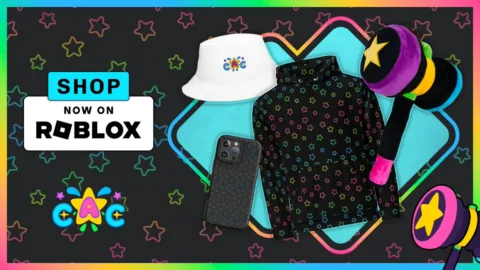
In a move set to revolutionize the future of digital commerce, Roblox has launched a groundbreaking feature allowing creators to sell physical merchandise directly within their games and experiences. With the release of new Commerce APIs, the platform opens up exciting new revenue streams and brand integration opportunities for both individual creators and established companies.
2. Roblox’s New Commerce APIs: What’s Changing
Traditionally, monetization on Roblox has centered around virtual items, in-game purchases, and access fees to specific experiences. Now, creators can integrate real-world shopping directly into their virtual environments, making it possible to sell actual physical goods to users.
This update reflects a broader trend toward immersive digital commerce, blurring the line between virtual and real-world shopping experiences.
3. The Role of Shopify and the Path to Full Integration
Roblox began testing this capability with a closed beta in mid-2024, partnering with Shopify to create shoppable branded experiences. After months of testing and iteration, this feature is now publicly available to all eligible creators and brands through the Commerce APIs.
This partnership enables seamless inventory and order management, allowing creators to plug their Shopify storefronts directly into the Roblox ecosystem.
4. Who Can Use It: Eligibility and Market Rollout
Initially, this feature is limited to U.S.-based users aged 13 and above, within all-ages experiences. However, Roblox has ambitious plans to expand to global markets, adding new partners along the way.
For creators, this marks a significant opportunity to tap into the platform’s over 70 million daily active users, particularly among Gen Z shoppers who are already comfortable with hybrid online experiences.
5. The Approved Merchandiser Program (AMP)
To ensure authenticity and safeguard the user experience, Roblox introduced the Approved Merchandiser Program (AMP). This initiative certifies both creators and brands, allowing them to:
Add a badge of authenticity to physical products
Offer exclusive digital rewards with physical purchases
Connect purchases to in-game avatar customization
AMP builds trust while adding brand value for both new and established merchandisers.
6. How Brands Are Leveraging Roblox’s Commerce Tools
Major brands are already diving into the opportunity. For instance, Fenty Beauty is launching a shoppable Roblox experience that includes an exclusive “Grape Splash” Gloss Bomb, available only through the platform.
This marks a strategic shift in how companies can market and distribute limited-edition items, particularly those that appeal to a younger, digitally native audience.
7. Bundling Physical and Digital Products: A New Monetization Model
Through the new APIs, creators and brands can bundle physical items with digital counterparts. For example, purchasing a hoodie could also unlock a matching outfit for your avatar, increasing the perceived value and boosting purchase intent.
This bundling capability offers a win-win: fans get both a tangible product and exclusive digital content.
8. Case Study: Twin Atlas’s Six-Figure Success
One of the early success stories comes from Twin Atlas, a creator studio that utilized the Commerce APIs during the closed beta phase. According to Roblox, Twin Atlas achieved six-figure revenues within the first few weeks. Astonishingly, 90% of their total orders came directly through in-game commerce integrations.
This case proves that in-experience shopping can be not just viable—but highly profitable.
9. Implications for Creators, Brands, and Digital Commerce
Roblox’s new Commerce APIs signal a pivotal shift in immersive e-commerce. By allowing physical products to be part of gameplay, brands and creators can:
Build deeper engagement with users
Drive cross-platform sales
Differentiate with exclusive offerings
For marketers and digital entrepreneurs, this is a chance to redefine omnichannel experiences and tap into new monetization models.
10. Final Thoughts
Roblox’s new commerce tools are more than just a monetization feature—they represent the future of digital retail, blending social interaction, brand loyalty, and e-commerce into one immersive environment. As this feature expands globally, the opportunities for entrepreneurs, developers, and marketers are limitless.
To succeed in this evolving landscape, start experimenting now. Understand your audience, explore integrations like Shopify, and consider how to make your digital world reflect your real-world brand.