Introduction: The Sora 2 Phenomenon
When OpenAI unveiled Sora 2, its latest text-to-video generation tool, it instantly captured public attention. Some hailed it as the next great leap in creative technology, while others dismissed it as yet another example of “AI slop”.
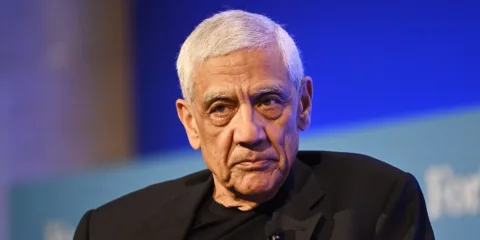
At the center of the conversation is Vinod Khosla, an early OpenAI investor and prominent venture capitalist. In a post on X (formerly Twitter), Khosla defended the innovation, stating:
“Let the viewers of this ‘slop’ judge it, not ivory tower luddite snooty critics or defensive creatives.”
His sentiment reflects a broader tension between traditional creativity and the rapid acceleration of AI-driven content.
How Sora 2 Works: Text to Video, Redefined
Sora 2 allows users to generate short-form videos from text prompts, images, or even scanned facial and vocal data. Users can effectively insert themselves into cinematic scenes or create entirely new digital narratives—no film crew required.
This accessibility has catapulted Sora 2 to the top of Apple’s App Store, proving there’s a strong appetite for AI-assisted storytelling tools.
However, its realism also raises pressing questions. As journalist Katie Notopoulos from Business Insider observed:
“This is the first time I’ve felt AI get close to mimicking real life.”
Her remark underscores how blurred the line between reality and simulation has become.
Mixed Reactions: Innovation or “AI Slop”?
Public response to Sora 2 has been polarized. Some users view it as a creative playground, generating everything from personal vlogs to cinematic trailers. Others argue it contributes to digital oversaturation—a flood of synthetic content with little authenticity.
Critics fear this could lead to a cultural erosion of originality. Yet, as Khosla pointed out, similar resistance greeted past innovations like digital music in the 1990s and digital photography in the 2000s. Both technologies, once controversial, are now industry standards.
The Creativity Debate: Democratizing Content Creation
At its core, Sora 2 embodies a democratization of creativity. By lowering technical barriers, it empowers anyone with imagination to produce high-quality video content.
Entrepreneurs, marketers, and independent creators can now experiment with visual storytelling at a scale and speed previously unimaginable. This shift mirrors broader trends across digital marketing—where AI tools are not replacing creativity, but amplifying it.
Ethical Challenges and Copyright Concerns
Despite its promise, Sora 2 introduces complex copyright and deepfake concerns. Reports from The Wall Street Journal revealed that OpenAI initially suggested rightsholders would need to opt out to prevent their work from appearing in Sora-generated videos.
Following backlash, OpenAI CEO Sam Altman clarified that creators would gain granular control over how their likeness or material is used. Still, the broader issue remains: how do we balance creative freedom with intellectual property rights?
Industry Implications: Hollywood, Marketing, and Beyond
Hollywood studios are understandably cautious. The potential for synthetic actors, scripts, and environments could reshape production workflows—and threaten traditional roles.
For marketers and brands, however, Sora 2 presents unprecedented opportunities. AI-driven videos could accelerate personalized advertising, social media storytelling, and immersive campaigns at minimal cost.
Where Trenzest Fits In: Navigating the Future of AI Video
As AI-generated media continues to evolve, Trenzest provides guidance, strategy, and innovation for brands seeking to leverage AI ethically and effectively.
Through insights, tools, and strategic partnerships, Trenzest’s AI marketing resources help businesses navigate the intersection of technology and creativity. Whether it’s adapting to video AI like Sora 2 or developing responsible content frameworks, Trenzest empowers companies to stay ahead of the curve.
The Road Ahead: Embracing AI with Awareness
Sora 2 is more than a novelty—it’s a cultural inflection point. Its rapid adoption signals a future where AI-generated media becomes a standard creative tool. Yet, that future must be built on transparency, ethics, and collaboration between creators and technology providers.
Conclusion: Redefining Creativity in the Age of Sora
Love it or loathe it, Sora 2 has undeniably changed the conversation around AI and creativity. It challenges both artists and audiences to rethink what authenticity means in a digital-first era.
As the boundaries between human and machine creativity blur, it’s clear that the future of storytelling will be shaped by those who embrace innovation responsibly.
To learn more about how to harness emerging AI trends for your business or brand, explore Trenzest’s insights on AI-driven creativity.