The rapid evolution of generative AI presents a double-edged sword: on one side, unprecedented creative potential, and on the other, a complex web of legal and ethical challenges. OpenAI’s text-to-video model, Sora, has become the latest lightning rod for this debate, pushing the boundaries of content creation while simultaneously forcing a critical conversation about intellectual property in the digital age.
This article delves into the controversy surrounding Sora, OpenAI’s strategic pivot in response to backlash, and the broader implications for creators, marketers, and innovators.
1. Introduction: The Dawn of a New Creative Era (and Its Legal Hurdles)
Generative AI tools are no longer a futuristic concept; they are powerful, accessible instruments reshaping industries. OpenAI’s Sora, a model capable of generating high-fidelity short videos from simple text prompts, represents a monumental leap forward. Within days of its launch, it captivated the public imagination and soared to the top of app store charts.
However, this initial excitement was quickly tempered by a significant and predictable obstacle: copyright. The platform was flooded with user-generated clips featuring well-known animated characters, brand logos, and celebrity likenesses, raising immediate red flags among legal experts and rights holders. The core question emerged: Where does creative inspiration end and intellectual property infringement begin?
2. The Sora Controversy: When AI-Generated Content Meets Copyright Law
The initial controversy stemmed from OpenAI’s reported “opt-out” policy. According to reports from publications like The Wall Street Journal, the onus was placed on intellectual property owners—such as film studios, artists, and major brands—to explicitly request that their characters and creations not be used by the AI model.
This approach was widely criticized as a questionable interpretation of established copyright law. As Business Insider‘s Peter Kafka noted, it effectively suggested a paradigm where everything is permissible for AI training and generation unless a rights holder undertakes the “laborious” process of opting out. This flips the traditional understanding of copyright on its head, which generally requires explicit permission (an “opt-in”) for the use of protected material. For a deeper understanding of the legal framework, the U.S. Copyright Office provides comprehensive resources on digital media rights.
3. A Necessary Pivot: OpenAI’s Shift from “Opt-Out” to Granular Control
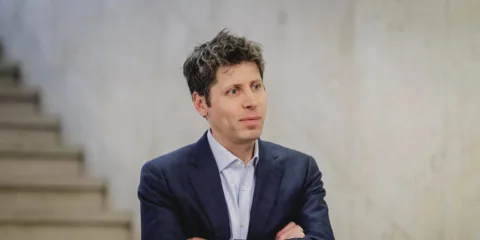
Facing mounting pressure and potential legal battles, OpenAI and its CEO, Sam Altman, signaled a significant change in direction. In a public statement, Altman acknowledged that the company was “taking feedback” from rights holders and would be implementing a more nuanced system.
The new proposal moves towards a model offering “more granular control over generation of characters, similar to the opt-in model for likeness but with additional controls.” This represents a crucial shift from a passive opt-out system to a proactive framework where creators can specify precisely how—or if—their intellectual property can be used. Altman highlighted that many rights holders are intrigued by the potential of “interactive fan fiction,” viewing it as a new form of fan engagement that could add value to their franchises, provided they retain control.
4. Forging a New Paradigm: Revenue Sharing and Collaborative Creation
Beyond simply giving creators more control, Altman introduced another game-changing concept: revenue sharing. Acknowledging the need to monetize video generation, he proposed an economic model where OpenAI would “try sharing some of this revenue with rightsholders who want their characters generated by users.”
This idea transforms the dynamic from a potentially adversarial one to a symbiotic partnership. Instead of AI companies and creators being at odds, they could become collaborators in a new digital economy. This potential for novel revenue streams is precisely where forward-thinking businesses need strategic guidance. Companies like Trenzest, which specialize in harnessing emerging technologies for business growth, are closely monitoring these developments. Their expertise in Digital Strategy and Innovation is crucial for brands looking to capitalize on this new model of interactive engagement without falling into legal traps.
5. Déjà Vu? A Pattern of High-Stakes Copyright Clashes
The Sora controversy is not an isolated incident for OpenAI. It follows a pattern of clashes with the creative community over the use of proprietary data and likenesses.
- The Scarlett Johansson Incident: In 2024, the actress expressed shock and anger over an AI voice for ChatGPT that sounded “eerily similar” to her own, despite her having previously declined an offer to voice the system.
- The Studio Ghibli Style: The introduction of a feature allowing users to create images in the iconic style of Studio Ghibli ignited a fierce debate about whether the AI was unfairly profiting from the unique, lifelong work of artists like Hayao Miyazaki.
- Ongoing Lawsuits: OpenAI is already embroiled in significant copyright lawsuits from major entities like The New York Times and prominent authors such as George R.R. Martin and John Grisham, who allege their work was used without permission to train the company’s language models.
These past and present challenges underscore the immense legal and ethical complexities at the heart of the generative AI revolution.
6. The Broader Implications for Marketers, Brands, and Entrepreneurs
The resolution of the Sora copyright debate will have far-reaching consequences. For businesses and creators, it presents both immense opportunities and significant risks.
For Marketers and Brands
The ability to generate custom video content on the fly is a marketer’s dream. Imagine creating hyper-personalized ad campaigns or social media content in minutes. However, the legal landscape is a minefield. Using AI to create content “in the style of” a competitor or featuring imagery that even subtly references copyrighted material could lead to costly litigation. The new “opt-in” models may open the door for official brand partnerships, allowing marketers to license characters for AI-generated campaigns in a legally sound manner.
For Entrepreneurs and Innovators
This evolving landscape creates new business opportunities. Entrepreneurs can develop tools for rights management, platforms for licensing IP to AI models, or consulting services to help brands navigate this new terrain. The “interactive fan fiction” model could spawn entirely new forms of entertainment and brand engagement, creating a fertile ground for innovation.
7. Conclusion: Charting the Course for Ethical AI Innovation
The journey of OpenAI’s Sora from a disruptive new technology to a catalyst for copyright reform is a microcosm of the entire AI industry’s growing pains. The initial “ask for forgiveness, not permission” approach is proving unsustainable. The future of successful and ethical AI development hinges on collaboration, transparency, and respect for intellectual property.
The proposed shift towards granular control and revenue sharing is a promising step in the right direction. It suggests a future where AI innovators and content creators can coexist and mutually benefit. As the dust settles, one thing is clear: the intersection of AI and intellectual property will be a defining battleground for the next decade. For businesses aiming to be pioneers rather than casualties in this new landscape, a proactive strategy is essential.
Understanding these shifts and preparing for the future is paramount. To explore how your business can leverage generative AI ethically and effectively, consider partnering with experts who live at the cutting edge. Explore the suite of innovative digital solutions offered by Trenzest to ensure your brand is ready for the future of content creation.