
Introduction
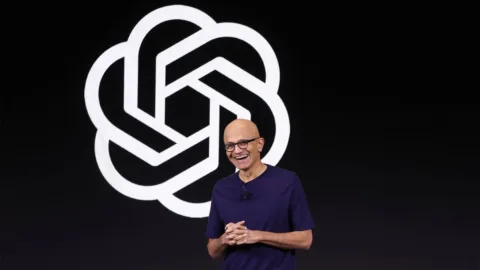
In a rapidly evolving AI landscape, partnerships between tech giants can redefine industry standards—or fracture under pressure. A recent Wall Street Journal report suggests that OpenAI and Microsoft may be reaching a critical turning point in their collaboration, signaling broader implications for innovation and competition in artificial intelligence.
The Growing Tension Between OpenAI and Microsoft
According to unnamed insiders cited by the WSJ, OpenAI executives have discussed the possibility of publicly accusing Microsoft of anticompetitive practices. They’ve even considered involving federal regulators to scrutinize their existing contract with the Redmond-based giant. While these conversations are reportedly still internal, they highlight increasing friction between the two AI powerhouses.
The Battle Over Windsurf’s Acquisition
At the center of the dispute is OpenAI’s $3 billion acquisition of Windsurf, a promising AI coding startup. OpenAI is wary of Microsoft gaining access to Windsurf’s intellectual property, which could potentially enhance GitHub Copilot—Microsoft’s own AI coding tool. The tension underscores a conflict of interest, where collaborative innovation starts clashing with competitive advantage.
Strategic Dependence vs. Autonomy
Despite the conflict, OpenAI still depends heavily on Microsoft Azure for its cloud infrastructure and requires Microsoft’s approval for completing its for-profit conversion. This dependency makes the current standoff more complex, balancing technological autonomy with business necessity.
OpenAI’s attempt to reduce its reliance on Microsoft cloud services reflects a broader shift toward diversified infrastructure, which other startups and tech firms are also exploring.
What This Means for the AI Industry
This strained alliance could set a precedent for future AI collaborations. As major players race to secure intellectual property and computing power, tensions like these may become more common. The outcome of this standoff could influence how AI innovation is governed, monetized, and scaled in the years ahead.
Trenzest’s Perspective on the Future of AI Partnerships
At Trenzest, we’ve been closely monitoring how strategic alliances shape the future of technology. This conflict between OpenAI and Microsoft reinforces the need for transparent partnerships and ethical governance in AI development.
For entrepreneurs, marketers, and tech leaders, it’s essential to understand how such corporate dynamics influence product development, data ethics, and market competitiveness. Explore our latest AI guides to learn how to build responsibly in this evolving ecosystem.
Conclusion and Next Steps
The OpenAI-Microsoft standoff is more than a corporate disagreement—it’s a reflection of the larger tensions between innovation, control, and market power. As the AI landscape matures, businesses and developers must adapt to a future where strategic independence is as valuable as collaborative growth.
Want to stay ahead in AI and tech innovation? Follow Trenzest for insights, strategy tips, and breaking industry updates that help you grow smarter.