
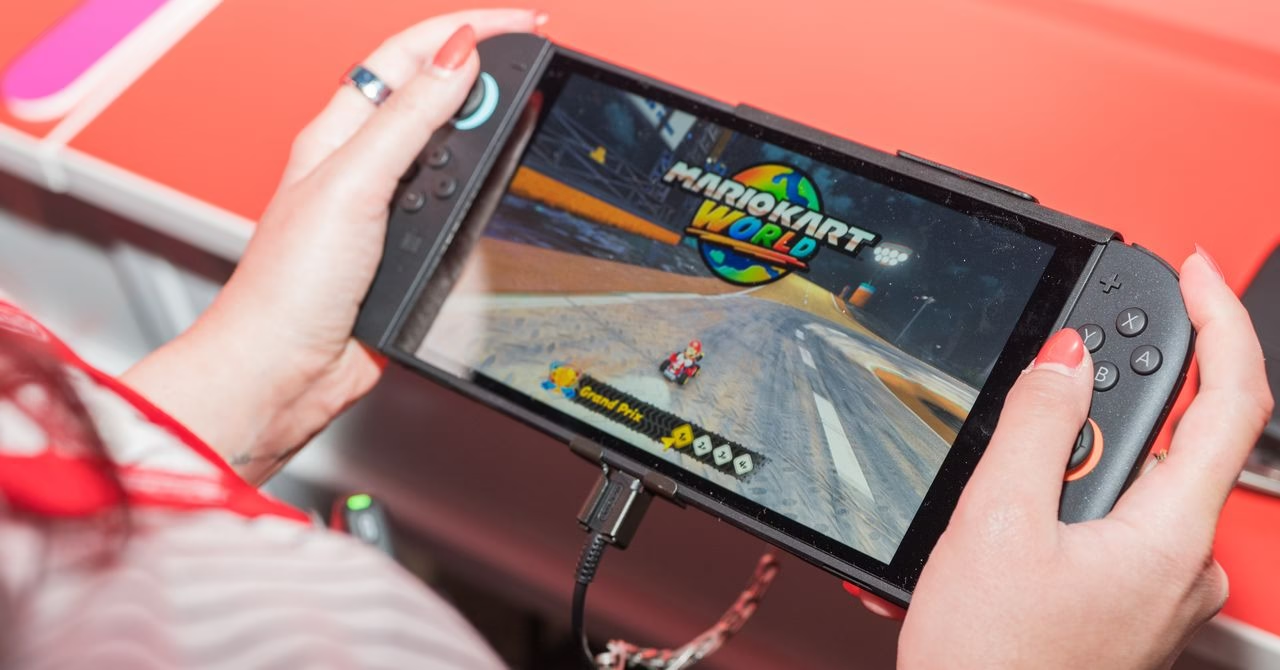
Introduction: A Surprising Turn for Nintendo Fans
Nintendo enthusiasts in the U.S. received unexpected news this week: preorders for the highly anticipated Switch 2, originally scheduled for April 9, have been delayed. The Japanese gaming giant cited the need to “assess the potential impact of tariffs and evolving market conditions” as the primary reason behind the decision. Although the official launch date of June 5 remains unchanged, the timing for preorders is now uncertain, leaving fans and industry insiders speculating about what comes next.
This bold move underscores just how volatile today’s economic environment has become—especially for companies deeply intertwined with international supply chains like Nintendo.
Nintendo’s Unprecedented Decision
In an industry where timing is critical, Nintendo’s announcement marks a rare and unprecedented action among console makers. Traditionally, preorder dates are carefully coordinated to build hype and momentum, particularly following major debut events. However, Nintendo’s need to pause and reassess signals just how deeply political and economic changes are starting to influence even the entertainment sector.
The timing of Nintendo’s initial preorder announcement was especially unfortunate, coinciding with President Donald Trump’s declaration of sweeping new tariffs on imports—a move that sent shockwaves through the stock market and caused immediate ripples across industries.
The Tariff Turmoil: What’s Behind the Delay
According to video game industry analyst Mat Piscatella of the market research firm Circana, Nintendo likely anticipated some degree of tariff-related challenges. However, the reality appears to have been far more severe than expected. “My best guess would be that Nintendo had some assumptions in place at what the tariffs would likely be, and that the announced tariffs came in much higher with wider reach than anticipated,” Piscatella told WIRED.
The new tariffs not only create financial unpredictability but also introduce logistical challenges, further complicating Nintendo’s supply chain management. Companies like Nintendo, which heavily depend on components and manufacturing overseas, are forced to rethink pricing strategies, distribution models, and even product availability in affected regions.

Potential Price Hikes: What Gamers Should Expect
One of the biggest concerns now looming over the Switch 2 launch is potential price increases. With an already premium price tag of $450, many consumers were initially skeptical. If tariffs continue to add pressure, that price could climb even higher—a possibility that, according to Piscatella, businesses must seriously consider.
“Every reasonable and responsible business that relies on international supply chains will be reevaluating its U.S. pricing at this point,” he emphasized. Companies cannot afford to absorb the full cost of tariffs without jeopardizing their margins, and ultimately, consumers may bear the brunt.
This situation reflects broader challenges that all tech companies are navigating right now, which we discuss in more depth over at Trenzest’s technology and business insights blog.
Industry Reactions and Broader Implications
The Entertainment Software Association (ESA) and other major organizations have voiced serious concerns about the tariffs’ potential impact. Earlier this year, the ESA issued a statement warning that tariffs could “negatively impact hundreds of millions of Americans and would harm the industry’s significant contributions to the U.S. economy.”
Nintendo’s preorder delay is one of the first high-profile confirmations of these fears materializing in real time.
Historically, other global markets have had to deal with higher video game pricing due to taxes, tariffs, and other regional factors. As Piscatella notes, “The U.S. could certainly be joining that group,” shifting a long-standing advantage American gamers have enjoyed.
Navigating Uncertainty in Tech and Gaming
In such a rapidly evolving landscape, staying informed is crucial. Tariff changes, market volatility, and international policy shifts all create ripple effects that tech companies must manage in real-time. For gamers, entrepreneurs, and marketers alike, understanding these dynamics provides a strategic edge—whether you’re planning product launches, purchasing tech, or positioning your brand for resilience.
At Trenzest, we dive deeper into topics like these, offering real-world analysis and actionable insights to help businesses and tech enthusiasts navigate these shifting tides.
Why Staying Informed Matters More Than Ever
Nintendo’s decision is a prime example of how even industry giants must stay agile and adapt quickly to external pressures. For consumers, the key takeaway is not just about the Switch 2—it’s about recognizing how interconnected global markets have become and why developments in government policy, manufacturing, and trade can instantly reshape the products and services we rely on.
In uncertain times, resources like Trenzest are essential for helping you make smarter decisions, whether you’re a gamer, entrepreneur, or tech enthusiast.
Final Thoughts: Preparing for a New Gaming Era
While Nintendo’s Switch 2 still aims to hit shelves on June 5, the future remains uncertain. Whether it’s pricing adjustments, launch delays, or changing market dynamics, one thing is clear: the gaming industry is entering a new era where political and economic factors play an increasingly central role.
For readers who want to stay ahead of these shifts and better understand their impact across tech and business landscapes, make sure to explore the latest updates and expert insights available at Trenzest.com.