Introduction
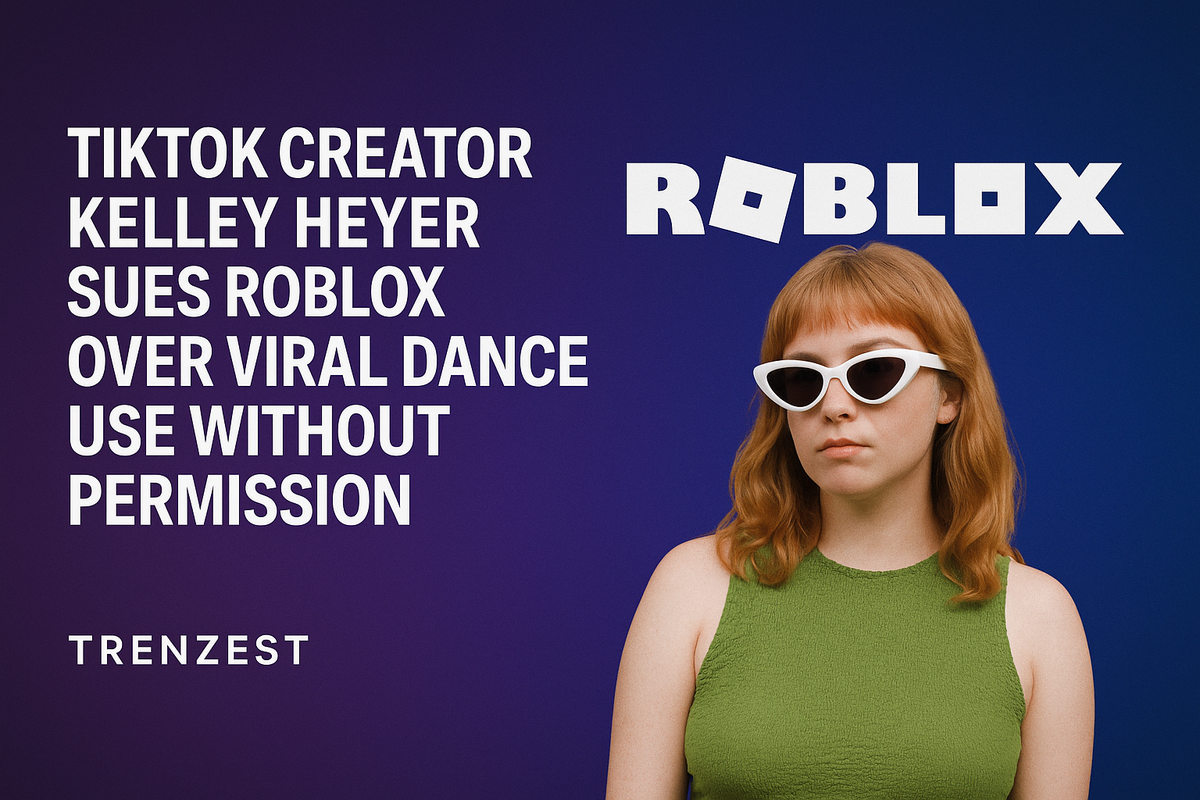
In an era where creativity is currency, the boundaries of digital ownership are constantly being tested. A recent lawsuit filed by TikTok content creator Kelley Heyer against the gaming platform Roblox spotlights a growing tension between creators and major tech platforms. At the heart of this legal dispute? A viral dance to Charli XCX’s hit song Apple that found its way into a virtual game—without the creator’s permission.
The Rise of Kelley Heyer’s Viral TikTok Dance
In June 2024, Kelley Heyer uploaded a spontaneous dance video to TikTok featuring Apple, a track from Charli XCX’s acclaimed summer album Brat. The choreography quickly caught fire, racking up millions of views and widespread fan adoption.
Charli XCX herself recognized the buzz. Not only did she incorporate Heyer’s dance into her live performances, but she also invited the TikTok star to perform the routine during a show in New York City, marking a significant crossover from digital virality to real-world acclaim.
Gaming Giants and Emote Culture
Both Fortnite and Roblox, massively popular among younger audiences, recognized the cultural traction of the Apple dance. They each added an “emote” version—digital animations of the dance—for players to purchase and use in-game. This is common in gaming culture, where trending dances often become part of virtual avatars’ expressive repertoire.
However, while Fortnite obtained the necessary license to use Heyer’s choreography, Roblox allegedly did not.
Roblox vs. Fortnite: A Tale of Two Platforms
Fortnite, developed by Epic Games, has become known for its dance emotes and licensing agreements with artists and creators. In contrast, Heyer claims that Roblox failed to negotiate any permission or compensation for her dance.
According to Polygon, Heyer estimates that Roblox earned over $123,000 from selling more than 60,000 emotes featuring her choreography. This forms the basis of her legal complaint.
Roblox, for its part, responded publicly:
“As a platform powered by a community of creators, Roblox takes the protection of intellectual property very seriously and is committed to protecting intellectual property rights of independent developers and creators to brands and artists both on and off the platform.”
Legal Implications: Protecting Choreography as IP
This case reignites the conversation around the intellectual property rights of dancers and choreographers. Historically, legal protection for short dance moves has been murky, especially in digital spaces. But with platforms monetizing user-generated content, the question becomes increasingly important: Who owns the movement?
The lawsuit could potentially set a precedent. If Heyer wins, it may influence how platforms license content and how creators assert their rights in the age of viral content and virtual goods.
For those interested in the deeper legal mechanics, the Copyright Alliance offers insightful resources on choreography and copyright law.
The Creator Economy and Platform Accountability
At its core, this case underscores a larger issue in the creator economy—the balance of power between individuals producing viral content and the platforms profiting from it. With platforms like Roblox and Fortnite making billions, the lack of consistent frameworks for licensing and compensation is a growing concern.
Entrepreneurs, digital marketers, and creators alike should pay attention. Whether you’re building content, launching a brand, or developing digital products, understanding how to protect and monetize creative output is essential.
What Entrepreneurs and Marketers Can Learn
Respect Intellectual Property: Always seek permission before using creative works—even viral ones.
Protect Your Work: If you’re a creator, understand your rights and consider registering your work formally.
Monitor Usage: Tools like Google Alerts and content tracking platforms can help detect unauthorized use.
Stay Updated: The legal landscape is evolving. Follow updates on IP rights in digital spaces to stay compliant and proactive.
For deeper insights into digital rights and online branding, check out the Trenzest Blog on Creative Strategy.
Trenzest’s Take: Why Digital Rights Matter More Than Ever
At Trenzest, we help creators, entrepreneurs, and brands thrive in the digital age. This case is a powerful reminder of why understanding digital rights isn’t just a legal issue—it’s a strategic one.
Whether you’re launching your own content, building a personal brand, or managing digital assets, respecting and protecting creative work is vital. Our guides, tools, and resources are designed to help you navigate these challenges and build smarter, more resilient digital strategies.
Want to learn how to safeguard your own content or license responsibly? Browse our Trenzest Resources or reach out directly—we’re here to help you stay ahead.
Final Thoughts
Kelley Heyer’s lawsuit against Roblox may very well mark a turning point in how digital content is valued and protected. As the lines between content creation, commerce, and virtual interaction blur, creators must be empowered with the knowledge—and legal backing—to control how their work is used.
For platforms, the message is clear: transparency, consent, and fair compensation are no longer optional—they’re expected.