
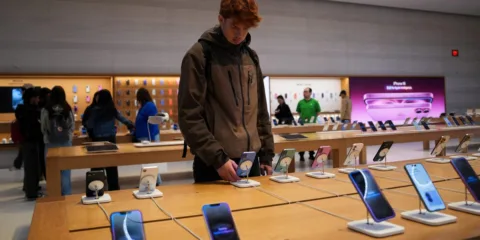
Introduction: Apple Tops the Charts Again
In Q1 2025, Apple’s iPhone 16 base model became the best-selling smartphone in the world, according to research from Counterpoint. This marks a notable return to form, as it’s the first time in two years that a base model has topped the charts, reaffirming Apple’s dominance in a saturated and highly competitive smartphone market.
Yet, beneath the celebration lies a complex picture — from internal cannibalization to geopolitical hurdles and muted AI-driven innovation.
iPhone 16 Base Model Surges Ahead
The standard iPhone 16 has outpaced even its Pro counterparts, signaling a shift in consumer preferences. While previous years saw higher sales for premium models, 2025 is different. This year’s base model has seen substantial upgrades, narrowing the performance gap between tiers. The need to support Apple Intelligence—a suite of on-device AI tools—meant even the base model required a powerful chip.
This convergence of features has made the base iPhone 16 a more attractive option for the average consumer, blending performance with affordability.
Apple’s Continued Dominance in Global Rankings
Apple continues to dominate the top five global smartphone sales rankings, with the iPhone 16, 16 Pro, and previous-generation iPhone 15 models securing top positions. Samsung’s Galaxy A16 5G managed to place fifth, showcasing that Android still holds sway in the value segment.
Despite an uncertain global economy, Apple’s flagship devices have held their ground. However, as Trenzest notes in its latest trends report, staying at the top doesn’t always mean the journey is smooth—especially in tech, where innovation and pricing are constantly under scrutiny.
Challenges in the Chinese Market
China remains a crucial market for Apple, but the iPhone 16 Pro models are facing headwinds. Government subsidies favor devices priced under 6,000 yuan (around $833 USD), effectively excluding the high-end iPhones from price cuts. Despite this, the Pro series accounted for nearly half of Apple’s iPhone sales in China for the third consecutive quarter.
This resilience underscores brand loyalty but also raises questions about long-term affordability in price-sensitive markets.
Expert Opinions: Is Apple Really Winning?
Jacob Bourne, a tech analyst at eMarketer, sees the Q1 performance as a win, especially given economic headwinds. However, Morningstar’s William Kerwin takes a more critical view, noting that Apple’s internal competition—between the base and Pro models—suggests a diminishing differentiation.
He also highlights a broader issue: Apple is not only competing with other manufacturers but with its own historical sales figures. And by that measure, growth has been relatively stagnant over the past two years.
The Rise of the Budget-Friendly iPhone 16e
Among the surprises in Counterpoint’s data is the performance of the iPhone 16e. Launched at $599, it ranked sixth in global sales for March—its first full month on the market. Analysts predict it will outperform the iPhone SE in its debut year, cementing Apple’s presence in the mid-range segment.
The narrowing performance and price gap between the iPhone 16e, base model, and Pro versions reflects a strategic pivot toward more inclusive pricing—an approach we’ve explored before on Trenzest.
Tariff Trouble and Geopolitical Pressures
On May 23, former President Donald Trump announced plans for a 25% tariff on Apple over its production shift from China to India. In a Truth Social post, he criticized Apple’s plan to localize iPhone production in the U.S., calling it “a fairy tale.”
Dan Ives of Wedbush Securities echoed that skepticism, noting that such a move could significantly disrupt Apple’s supply chain and cost structure. For entrepreneurs and investors, this highlights the ever-present risk of geopolitical influence on tech stocks and operations.
Apple Intelligence and the Missed AI Opportunity
Apple Intelligence, launched to much fanfare in 2024, has yet to deliver on its promise of driving a new supercycle. Despite being embedded across the iPhone 16 lineup, the AI features haven’t significantly influenced purchasing behavior.
Kerwin notes that the AI-enabled iPhones haven’t revitalized Apple’s growth trajectory. As the tech world leans heavily into AI, this is a missed opportunity for a brand known for trendsetting.
What This Means for Tech Enthusiasts and Entrepreneurs
For business owners and digital marketers, Apple’s evolving strategy offers several lessons. The success of the iPhone 16e proves there’s growing demand for affordable, high-quality tech. Meanwhile, the base model’s resurgence shows that consumers are becoming more discerning about value versus luxury.
At Trenzest, we help tech-forward entrepreneurs navigate these shifts—whether it’s leveraging new device trends or adapting to market volatility. Subscribe to our newsletter to stay updated.
Conclusion: A Cautious Celebration for Apple
Apple’s iPhone 16 dominating Q1 2025 sales is certainly headline-worthy, but it’s not without caveats. From internal competition and AI disappointments to external political threats, Apple faces both triumph and turbulence.
For tech enthusiasts and entrepreneurs alike, the takeaway is clear: In a fast-evolving market, success today doesn’t guarantee stability tomorrow. Stay informed, agile, and always ready to pivot.