Introduction
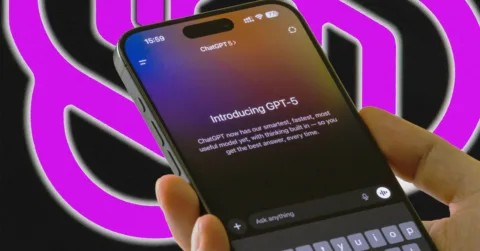
OpenAI’s release of GPT-5 was one of the most anticipated AI events of the year. Marketed as a significant leap in intelligence, coding ability, and adaptability, GPT-5 promised to push conversational AI into uncharted territory. But just days after its debut, the tech community was buzzing — and not entirely with excitement.
While some users praised its more businesslike and less sycophantic tone, others described it as emotionally distant, less creative, and surprisingly prone to basic mistakes. This divide has reignited a conversation about how we use AI, what we expect from it, and how businesses can prepare for these shifts.
The GPT-5 Launch: Hype Meets Reality
When GPT-4 launched in March 2023, it stunned the AI world with its nuanced reasoning and creative output. Naturally, expectations for GPT-5 were sky-high. OpenAI positioned it as a PhD-level AI with exceptional coding skills, coupled with a new system that automatically routed queries to the most suitable model — both for performance and cost optimization.
However, the reality was more complicated. Shortly after launch, Reddit forums and social media were filled with threads lamenting the loss of GPT-4o’s warmth and personality.
Why the Rollout Fell Short for Many Users
One of the most frustrating issues for early adopters was a glitch in the model-switching system. This feature was supposed to dynamically decide when to use GPT-5 versus a lighter model for efficiency. Instead, it sometimes misfired — making GPT-5 seem “dumber” than it actually was.
CEO Sam Altman acknowledged the problem, explaining that the automatic switching caused performance drops for certain queries. As a quick fix, OpenAI restored GPT-4o for Plus subscribers while doubling GPT-5 rate limits.
The Technical Issues Behind the Scenes
While public complaints focused on slower responses, hallucinations, and logical errors, experts noted that these issues didn’t necessarily mean GPT-5 was less capable. Instead, the model may have been encountering different edge cases — situations where its reasoning processes behaved differently than users expected.
For many, the bigger shift was not in intelligence, but in tone. GPT-5 was noticeably more formal and restrained, reducing what some perceived as “personality.”
User Reactions: Disappointment and Debate
Community reactions ranged from mild annoyance to outright frustration:
“Sure, 5 is fine—if you hate nuance and feeling things.” — Reddit user
Others appreciated GPT-5’s more professional tone, noting it avoided the overly agreeable and emotionally affirming behavior that had raised concerns about bias reinforcement in GPT-4o.
The Emotional Bond Between Users and AI
One surprising undercurrent of the backlash was the emotional connection many users had formed with previous models. OpenAI’s own research has shown that users can develop parasocial relationships with chatbots — sometimes treating them like friends, therapists, or life coaches.
MIT’s Pattie Maes observed that GPT-5’s reduced emotional mirroring may actually be healthier in the long term, even if it feels less engaging in casual conversation.
OpenAI’s Response and Path Forward
Altman has outlined several improvements in progress:
Enhanced model-switching accuracy
User control over when to engage “thinking mode” for deeper responses
Continued performance tuning and bug fixes
The takeaway for users? This is an evolving system — and updates are already being deployed to smooth out the initial bumps.
Lessons for Businesses and Tech Innovators
For entrepreneurs, marketers, and tech leaders, GPT-5’s rollout is a powerful reminder:
Manage user expectations when introducing major upgrades
Test at scale before replacing widely loved products
Balance personality with accuracy in AI interactions
These lessons are especially important if your brand relies on AI-powered tools for customer engagement, content creation, or decision support.
How Trenzest Helps You Navigate AI Evolution
At Trenzest, we specialize in helping businesses harness AI without falling victim to the pitfalls of rushed adoption. Whether it’s integrating advanced AI models like GPT-5 into your workflow, fine-tuning for brand voice, or creating AI-driven marketing campaigns, we ensure your AI strategy stays both innovative and user-friendly.
We also provide resources to keep you ahead of the curve, including:
Case studies on successful AI adoption
Training workshops for teams adapting to new AI tools
Strategic consulting for AI integration in marketing and operations
Conclusion & Next Steps
GPT-5’s rocky start shows that technological leaps aren’t always seamless, but they often pave the way for breakthroughs once the rough edges are smoothed.
If you want to stay ahead in this fast-moving AI landscape — and avoid costly missteps — start planning your AI integration strategy today. Explore how Trenzest can help you not just adapt, but thrive in the era of next-generation AI.