Introduction
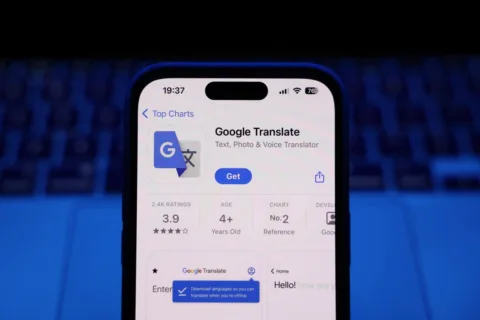
Language is the foundation of human connection. In today’s digital-first world, businesses, travelers, and learners alike rely on technology to bridge linguistic divides. Google has once again stepped up to the challenge, unveiling AI-powered experimental features in Google Translate that aim to transform how we learn and communicate across languages.
From tailored learning exercises to real-time multilingual conversations, these innovations promise to break barriers and unlock new opportunities for global collaboration.
Why Language Learning Tools Matter
Language learning is no longer just an academic pursuit—it is a business necessity and a social enabler. Entrepreneurs expanding internationally, marketers reaching diverse audiences, and travelers exploring new cultures all face the same challenge: effective communication.
Traditional tools often fall short in offering personalized, adaptive learning or in supporting seamless real-time translation. This is where AI-powered platforms like Google Translate are making a decisive impact.

Google Translate’s New AI-Powered Practice Feature
Personalized Learning for All Levels
Google’s new practice feature is designed with inclusivity in mind. Whether you’re a beginner just starting to form sentences or an advanced speaker polishing your vocabulary, the tool adapts to your skill level and learning goals.
How the Practice Feature Works
The process is intuitive:
Open the Google Translate app and select the “practice” option.
Set your language goals and proficiency level.
Engage in tailored listening and speaking sessions.
These sessions simulate real-world conversations, allowing you to either listen and tap words for comprehension or actively practice speaking. A progress tracker helps learners stay consistent and measure growth over time.
Duolingo vs. Google Translate
While Duolingo has long dominated gamified language learning, Google’s offering is a strong contender. Instead of focusing on badges and points, Google Translate leans on real-life scenarios and adaptive AI models to provide practical, usable skills.

Live Conversation Capabilities: A Step Forward
Beyond learning, Google Translate is evolving into a real-time communication tool.
Supported Languages and Availability
The new live conversation feature currently supports 70+ languages, including Arabic, French, Hindi, Korean, Spanish, and Tamil. Initially, it’s rolling out in the U.S., India, and Mexico.
AI Models Behind the Technology
Powered by Google’s advanced voice and speech recognition models, the feature goes beyond literal translations. It can identify pauses, accents, and intonations, making conversations sound more natural. Importantly, it also works in noisy environments like restaurants or airports, making it highly practical for travelers and professionals.
Practical Applications for Entrepreneurs and Marketers
The implications of these updates stretch far beyond casual use.
Entrepreneurs can engage international clients without hiring interpreters.
Marketers can test campaigns in multiple languages more efficiently.
Educators and learners gain a tool that blends learning with authentic practice.
For businesses expanding into global markets, integrating AI-powered translation into daily workflows can save time, reduce costs, and foster trust with new audiences.
Where Trenzest Fits In
At this intersection of technology and communication, Trenzest plays a crucial role. Just as Google Translate helps users connect across languages, Trenzest helps brands and entrepreneurs stay ahead of digital trends, ensuring that communication strategies remain impactful in an AI-driven world.
By combining insights from platforms like Google with actionable growth strategies, Trenzest empowers businesses to scale globally without losing cultural relevance.
The Bigger Picture: The Future of AI in Language
Google’s recent updates are more than just incremental features—they represent a broader trend in AI-driven language technology. With the integration of Gemini models, the future points toward:
Multimodal translations (text, audio, and visual)
Faster, more accurate speech recognition
Seamless integration across apps and devices
These advancements will continue to shape how we learn, market, and communicate globally.
Conclusion: Embracing Global Communication
Google’s AI-powered updates to Translate highlight a simple truth: language is no longer a barrier but a bridge. By blending personalization, real-time interaction, and adaptive AI, these tools pave the way for richer, more meaningful connections across cultures.
For learners, professionals, and businesses, the message is clear: now is the time to embrace these tools and unlock global opportunities.
Next Steps and Further Resources
If you’re inspired by these innovations, here are some actions to consider:
Try the new features in the Google Translate app (iOS & Android).
Explore Google’s official blog for more details on the rollout.
Learn how Trenzest can help your business stay ahead in global digital communication.