
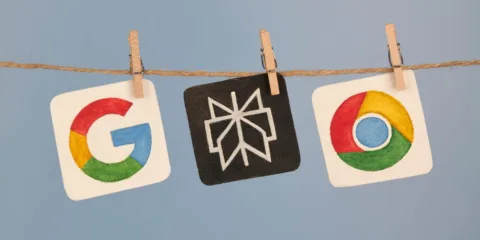
Introduction: Chrome’s Uncertain Future
Google Chrome, the world’s most widely used web browser, may not remain under Google’s control much longer. Following multiple antitrust rulings, U.S. courts are now considering whether Google should be forced to divest Chrome altogether.
This potential decision could be one of the most significant shifts in the history of the internet, opening the door for new players, disrupting advertising models, and changing how billions of people interact with the web.
Google’s Antitrust Battle Explained
Court Rulings and Allegations
In recent years, Google has faced increasing scrutiny over its dominance in digital markets. A federal court ruled in 2023 that Google maintained a monopoly over internet search. Then, in April 2024, another ruling found Google monopolized digital advertising markets.
The U.S. Department of Justice has since asked a judge to consider a radical remedy: forcing Google to divest Chrome. A decision is expected soon, and its implications are enormous.
Why Chrome Matters to Google
Chrome is not just a browser—it’s a strategic gateway. As a free tool, it drives traffic to Google Search, supports the company’s vast advertising network, and provides insights into user behavior. Losing Chrome would significantly weaken Google’s ecosystem.
Analysts at Barclays estimate that if Chrome were sold, Google’s stock could drop by 15% to 25%. Google, in response, has argued that such a divestiture could make Chrome “obsolete” and expose billions of users to security risks.
The Potential Impact on Google and the Market
If forced to part with Chrome, Google would lose one of its strongest distribution channels. Competitors, meanwhile, could gain unprecedented access to a global user base of billions.
This moment represents both a threat to Google and a rare opportunity for challengers to reshape the future of the open web.
The Bidders: Who Wants to Own Chrome?
Several companies—ranging from AI startups to legacy web giants—have already expressed interest in acquiring Chrome.
Search.com: Backed by Marketing Power
Search.com, a division of Public Good (acquired by Ad.com), has submitted a $35 billion bid for Chrome. Backed by JP Morgan and private equity firms, this bid highlights how digital marketing firms see Chrome as a fast path to mass adoption.
Melissa Anderson, President of Public Good, noted that Chrome would be “a phenomenal way to scale user adoption.” The company has also pledged to keep AI ethical by ensuring free access to search.
Perplexity: The AI Startup Challenger
AI-driven startup Perplexity entered the bidding war with a $34.5 billion offer. Known for its AI-native browser, Comet, Perplexity aims to enhance Chrome by integrating advanced search features while continuing to support Chromium, Chrome’s open-source foundation.
Though smaller than Google, Perplexity has attracted investor support and plans to keep Google as the default search engine while allowing users to choose alternatives.
OpenAI: Leveling the Playing Field
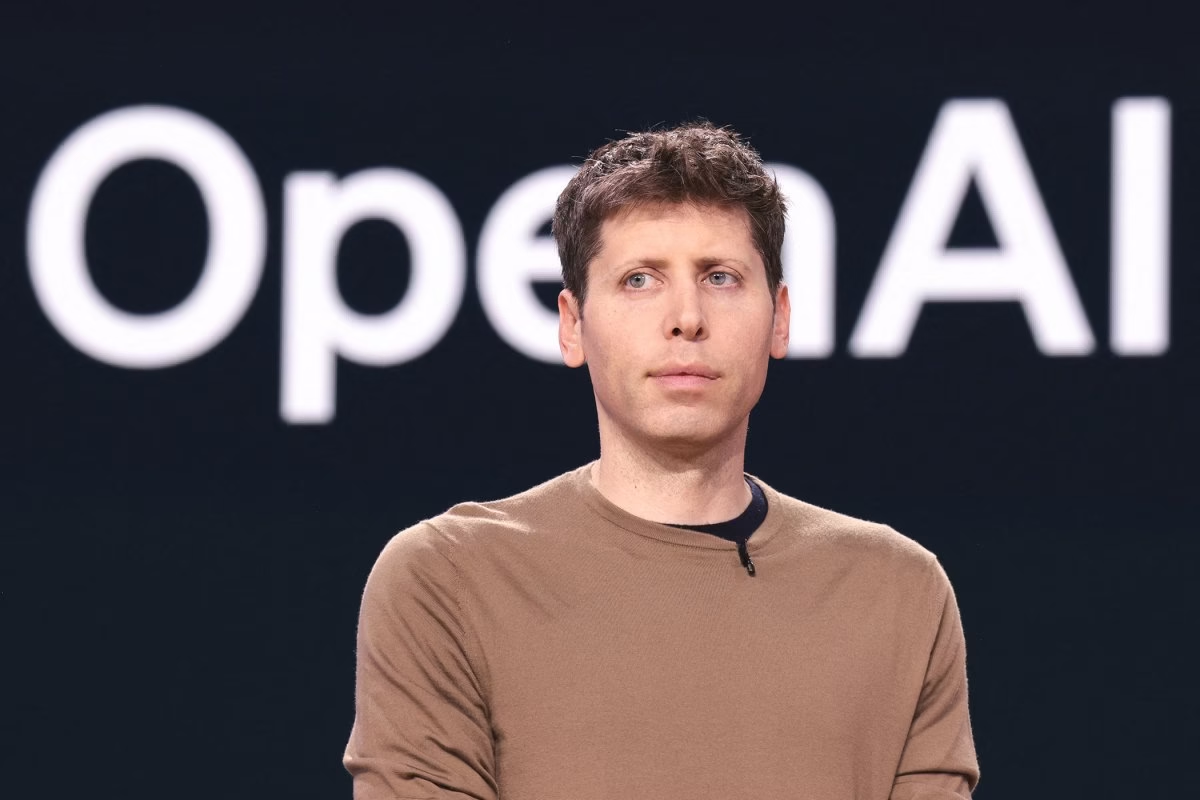
OpenAI, best known for ChatGPT, may also make a move. CEO Sam Altman has publicly expressed interest in Chrome, suggesting it could help balance the scales against Big Tech dominance.
While OpenAI’s resources are modest compared to Google, acquiring Chrome would instantly give it global reach and a user base that could fuel new AI-driven products.
Yahoo: A Comeback Opportunity
Yahoo, through its parent company Apollo Global Management, has also shown interest. For Yahoo, which once competed head-to-head with Google, acquiring Chrome could represent a long-awaited comeback.
As Brian Provost, GM of Yahoo Search, said during the antitrust hearing: “Chrome is arguably the most important strategic player on the web.”
What This Means for Users and the Open Web
For everyday users, the divestiture of Chrome could mean:
More competition in search and advertising
Greater user choice in default search engines
New innovations in browser technology
However, it also raises questions about security, privacy, and whether new owners would uphold Chrome’s reliability.
The Role of Innovation Platforms Like Trenzest
Amid these shifts, platforms like Trenzest play a critical role. Trenzest helps entrepreneurs, marketers, and businesses navigate digital transformations by providing insights into emerging tech trends, AI innovations, and strategic opportunities.
As the future of Chrome unfolds, Trenzest offers valuable resources for staying ahead—whether you’re a startup exploring new opportunities or a marketer adapting to a changing digital ecosystem.
Looking Ahead: Possible Outcomes
Several scenarios could emerge:
Google keeps Chrome after legal appeals.
A major bidder acquires Chrome, reshaping the browser market.
A new player emerges, using Chrome as a launchpad for disruptive innovation.
Each possibility would significantly impact digital advertising, AI integration, and user experience.
Conclusion: A Turning Point for the Internet
The question of who controls Chrome is not just about corporate competition—it’s about the future of the open web. If Chrome changes hands, it could usher in a new era of competition, innovation, and user choice.
For businesses and entrepreneurs, now is the time to prepare for change. Platforms like Trenzest provide the tools and insights to stay informed, adapt, and thrive in this evolving digital landscape.


Fantastic site A lot of helpful info here Im sending it to some buddies ans additionally sharing in delicious And naturally thanks on your sweat