
Introduction
The rise of self-driving technology is reshaping industries at an unprecedented pace. Among the most affected is the ride-hailing sector, where companies like Uber are navigating the delicate balance between technological advancement and workforce stability. At a recent summit hosted by the All-In Podcast, Uber CEO Dara Khosrowshahi addressed the future of gig work and the inevitable impact of autonomous vehicles on drivers.
The Rise of Autonomous Vehicles
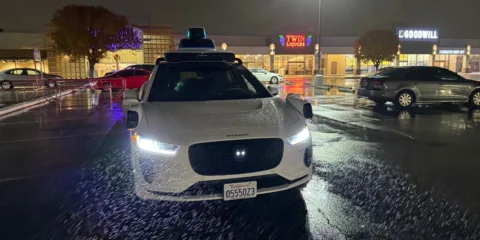
Self-driving cars, once a futuristic concept, are now on city streets. With companies such as Waymo testing robotaxis in Atlanta and Austin, the transition from human drivers to AI-powered vehicles is no longer hypothetical—it’s happening. Early results show these vehicles outperform human drivers in efficiency, sparking both optimism and concern.
Uber’s Perspective on Job Displacement
Short-Term Outlook
Khosrowshahi emphasized that in the next five to seven years, human drivers will continue to play a critical role. With rising demand in ride-hailing and delivery, Uber foresees growth in driver opportunities despite parallel AI adoption.
Long-Term Concerns
However, in 10 to 15 years, the scenario changes. The CEO openly admitted that widespread driver displacement will become a “real issue” without a “neat answer.” This candid acknowledgment highlights the societal challenges of automation.
The Gig Economy and AI’s Role
As AI adoption accelerates, concerns about technology replacing jobs are spreading across multiple industries. For ride-hailing drivers, skepticism remains. Some question whether AI can truly navigate unpredictable urban realities such as potholes or erratic pedestrian behavior.
Opportunities Beyond Driving
Khosrowshahi also pointed to new opportunities emerging alongside AI. Through its AI solutions arm, Uber now offers gig workers roles in data labeling and model training, broadening the scope of freelance work. This diversification shows how gig platforms can evolve with technology.
Platforms like Trenzest highlight similar shifts—helping entrepreneurs, marketers, and businesses adapt to the AI-driven economy by leveraging emerging digital trends for sustainable growth.
The Bigger Societal Question
Automation is not solely Uber’s challenge—it’s a societal question. As industries adopt AI, policymakers, companies, and workers must collaborate to redefine skill sets, training programs, and safety nets for displaced workers.
How Businesses Can Prepare
For entrepreneurs and marketers, the message is clear:
Stay agile by tracking industry trends.
Diversify revenue streams to withstand disruptions.
Leverage AI strategically, not just for cost-cutting but for creating new opportunities.
Resources like Trenzest Insights provide valuable strategies for future-proofing businesses in an evolving digital landscape.
Conclusion: Balancing Technology and Human Value
The integration of self-driving cars into ride-hailing networks is inevitable, but the timeline offers room for preparation. Uber’s transparency about both opportunities and risks underscores the need for proactive adaptation.
As AI continues to disrupt industries, the balance lies in embracing innovation while preserving human value. Businesses, workers, and policymakers must collaborate to shape a future where technology enhances—not replaces—human potential. Platforms such as Trenzest remain key allies in helping navigate this transformative journey.