
Introduction: The AI Shift Accelerates
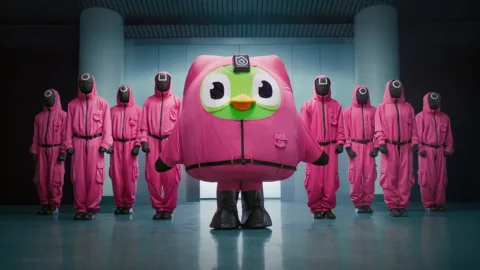
The artificial intelligence (AI) revolution isn’t a looming threat—it’s already underway. This week, Duolingo announced plans to replace human contractors with AI, affirming its commitment to becoming an “AI-first” company. This decision, as highlighted by journalist Brian Merchant, serves as a stark signal: the AI jobs crisis is no longer a distant concern—it’s happening now.
Duolingo’s Move: From Contractors to AI
While Duolingo’s announcement made headlines, it’s not an entirely new development. According to Merchant, the language-learning platform had already initiated job cuts in late 2023, followed by another round in October 2024. The affected roles primarily included translators and writers—positions now filled by AI tools.
This strategic shift reflects a growing trend among tech-driven firms: embracing AI to streamline operations and reduce labor costs. While beneficial for scalability and speed, it raises pressing questions about human job security in the digital era.
The Broader Trend: Entry-Level Roles at Risk
Merchant’s reporting, alongside coverage from The Atlantic, suggests that this isn’t an isolated case. A rising number of companies are replacing entry-level white-collar roles with AI, particularly affecting recent college graduates. In some instances, even when jobs aren’t eliminated outright, AI investment may be crowding out traditional hiring budgets.
This shift is not driven by robots gaining sentience, but by corporate leadership making deliberate decisions to cut costs and consolidate control.
Creative Industries and Freelancers Under Pressure
The ripple effects are especially visible in creative sectors. Writers, illustrators, and freelance artists are experiencing declining incomes, fewer opportunities, and increased competition—not from fellow humans, but from AI-generated alternatives.
Merchant frames the “AI jobs crisis” not as a dramatic dystopia, but as a quiet erosion of job opportunities, fueled by management decisions. The result? Attrition in creative industries, slower career starts, and a shrinking pool of entry-level opportunities.
Trenzest Insight: AI for Efficiency, Not Elimination
At Trenzest, we believe in harnessing AI to enhance human productivity, not replace it. AI can support content creation, marketing automation, and customer engagement—but always under the guidance of skilled professionals.
For entrepreneurs and marketers, the key lies in strategic adoption. Instead of fearing AI displacement, learn to integrate tools that augment your workflows, whether through smarter analytics, personalized content, or optimized customer journeys.
Conclusion: Navigating the AI-Driven Future
The rise of AI presents both opportunity and upheaval. As Duolingo and other companies lead the charge into automation, professionals must adapt—by upskilling, exploring new models of work, and leveraging platforms like Trenzest to build resilient, tech-enabled careers.
This isn’t about robots taking over—it’s about executives choosing efficiency over employment. And while the AI-first future may be inevitable, how we prepare for it will define who thrives in the next era of work.