
Introduction
In a stunning display of technological prowess, China’s National University of Defense Technology recently introduced a micro spy drone designed to resemble a mosquito. While this insect-like UAV (unmanned aerial vehicle) may look like a novelty, it signals significant shifts in the global landscape of drone innovation, especially in military surveillance.
China’s Micro Spy Drone: A Technological Marvel or Gimmick?
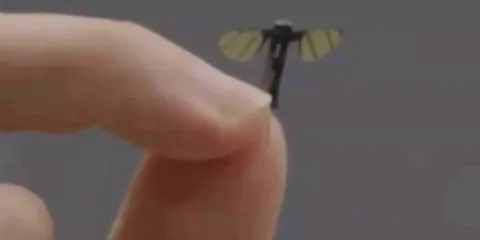
Unveiled on state-run broadcaster CCTV-7, the mosquito-sized drone boasts a stick-thin body, delicate wings, and wiry legs—barely larger than a fingernail. It’s designed for indoor surveillance missions, offering a potential tactical advantage in environments inaccessible to traditional UAVs.
This micro-drone represents a leap toward more discreet reconnaissance tools, capturing attention not just for its appearance but for the underlying message: miniaturization is the next frontier in drone warfare and espionage.
Strategic Use Cases for Micro Drones
Micro drones like this could be used for:
Covert building surveillance
Intelligence gathering during hostage or urban warfare situations
Environmental monitoring in constrained spaces
However, their small size introduces trade-offs in durability, sensor capacity, and signal transmission range.
Limitations of Micro UAVs
Despite the impressive innovation, experts urge caution. Herb Lin, a senior researcher at Stanford’s Center for International Security and Cooperation, noted that battery limitations and wind sensitivity reduce operational effectiveness.
Samuel Bendett of the Center for Naval Analyses emphasized that indoor environments also present challenges. HVAC systems, open windows, and minor airflow can all disrupt drone performance. Moreover, the small form factor restricts payload capacity, affecting data transmission capabilities and sensory input.
Expert Insights: Real Innovation or Restricted Utility?
Michael Horowitz from the Council on Foreign Relations observed that while the drone’s functionality remains unclear, it illustrates China’s commitment to pushing boundaries in drone technology.
Bendett adds that while technically feasible, the reliability of such drones in real-world missions will vary greatly. Aesthetically and technically compelling, these micro drones remain largely experimental at this stage.
Trenzest’s Perspective: How Emerging Tech is Shaping the Future
At Trenzest, we closely monitor breakthrough technologies in the UAV space and beyond. The rise of insect-sized drones highlights a growing trend in precision surveillance and compact robotics—fields that are poised to reshape military, commercial, and even marketing applications.
The Bigger Picture: What This Means for Global Tech Trends
From autonomous systems to AI-enhanced reconnaissance tools, micro drones are part of a global movement toward smaller, smarter, and more agile tech. For entrepreneurs, marketers, and technologists, understanding these shifts is essential to staying competitive in a rapidly evolving landscape.
Conclusion: Navigating the Future of Miniature Surveillance
China’s mosquito-style drone may not be ready for widespread deployment, but it showcases the ambition driving the drone sector forward. As battery life, material science, and miniaturized sensors improve, we may soon witness practical applications of these micro UAVs across industries.
For more digital growth insights, visit Trenzest.com and subscribe to our newsletter to stay informed.