Introduction
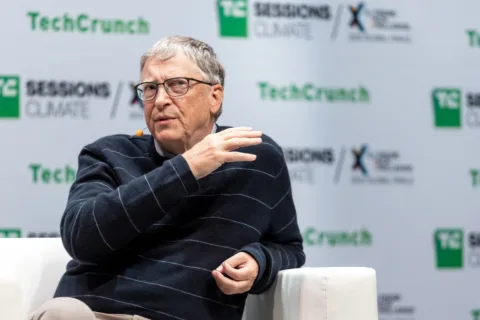
In a landmark announcement that reverberated across the global nonprofit and tech communities, billionaire philanthropist and Microsoft co-founder Bill Gates revealed his intention to close the Gates Foundation within 20 years. With a pledge to donate 99% of his $107 billion fortune, Gates is steering one of the largest philanthropic institutions in the world toward a definitive and finite legacy.

Bill Gates’ Philanthropic Legacy
Founded in 2000, the Bill & Melinda Gates Foundation has long been a beacon of global health, education reform, and poverty alleviation. Over its 25-year lifespan, the foundation has invested more than $100 billion into initiatives targeting malaria, polio, education equity, and global development.
This new phase—an intentional sunset plan—is not a retreat but rather a strategic acceleration of giving.
Why the 20-Year Timeline?
Gates shared his reflections on Gates Notes, linking this decision to several personal and professional milestones:
The foundation’s 25th anniversary
What would have been his father’s 100th birthday
Microsoft’s 50th anniversary
Gates turning 70 in October
Previously, the foundation was set to close 20 years after Gates’s death, but his good health prompted a reevaluation. The new timeline ensures direct oversight and intentional disbursement of funds while Gates is still actively involved.
“This decision comes at a moment of reflection for me,” Gates wrote.
Financial Scope: Over $200 Billion in 20 Years
Gates expects the foundation to spend more than $200 billion during this wind-down phase, averaging nearly $9 billion annually until 2045. This level of consistent investment will make it one of the most ambitious philanthropic undertakings in modern history, second only to Warren Buffett’s estimated future contributions.
The Gates Foundation’s Impact Over 25 Years
The Gates Foundation has:
Reduced malaria mortality rates in sub-Saharan Africa
Invested in education technology and charter schools in the U.S.
Accelerated vaccine access in developing nations
Promoted gender equality initiatives worldwide
Despite political shifts, such as the Trump administration’s foreign aid cuts, the foundation has remained a reliable source of funding for programs often overlooked by governments.
A Shift in Succession Strategy
This change signifies a notable shift in how philanthropic organizations plan for long-term leadership and sustainability. By choosing a finite operational timeline, Gates is avoiding the common pitfalls of perpetual foundations, where missions can drift, or leadership becomes disconnected from founding values.
This approach ensures that funds are used efficiently and with urgency, rather than diluted over time.
Comparisons with Other Mega-Donors
With this move, Gates solidifies his role alongside fellow philanthropists like Warren Buffett, who has also pledged to donate a significant portion of his fortune. However, Gates’s structured and time-bound approach differs markedly from Buffett’s more open-ended giving.
These high-profile decisions underscore a growing trend toward “giving while living”, where donors actively oversee their charitable impact.
Global Implications of the Wind-Down
The implications are vast. In an era where international aid is being reduced in many Western nations, the Gates Foundation acts as a financial lifeline for health and development sectors in low-income countries.
Without strategic planning, the eventual closure could leave a significant gap in global aid infrastructure. However, the transparency of this 20-year roadmap allows governments, NGOs, and other donors to prepare, align, and step up.
What This Means for Nonprofits and Innovators
For nonprofits, especially those in global health and education, this announcement serves as both a wake-up call and an opportunity. The next two decades will be crucial for:
Strengthening alternative funding streams
Innovating sustainable business models
Forming new alliances with corporate and institutional partners
Organizations aiming to navigate these changes can benefit from platforms like Trenzest, which help entrepreneurs, nonprofits, and changemakers stay ahead with curated insights, tools, and digital strategies.
Final Thoughts and the Road Ahead
Bill Gates’s decision to sunset the Gates Foundation is both visionary and pragmatic. By injecting more than $200 billion into the world over the next 20 years, he is setting a precedent for purposeful, time-bound giving that maximizes impact.
For entrepreneurs, technologists, and marketers, this news is a powerful reminder of how clear vision and strategic planning can influence global systems. It’s not just about what you build—but how and when you choose to pass it on.
#
Introduction
In a landmark announcement that reverberated across the global nonprofit and tech communities, billionaire philanthropist and Microsoft co-founder Bill Gates revealed his intention to close the Gates Foundation within 20 years. With a pledge to donate 99% of his $107 billion fortune, Gates is steering one of the largest philanthropic institutions in the world toward a definitive and finite legacy.
Bill Gates’ Philanthropic Legacy
Founded in 2000, the Bill & Melinda Gates Foundation has long been a beacon of global health, education reform, and poverty alleviation. Over its 25-year lifespan, the foundation has invested more than $100 billion into initiatives targeting malaria, polio, education equity, and global development.
This new phase—an intentional sunset plan—is not a retreat but rather a strategic acceleration of giving.
Why the 20-Year Timeline?
Gates shared his reflections on Gates Notes, linking this decision to several personal and professional milestones:
The foundation’s 25th anniversary
What would have been his father’s 100th birthday
Microsoft’s 50th anniversary
Gates turning 70 in October
Previously, the foundation was set to close 20 years after Gates’s death, but his good health prompted a reevaluation. The new timeline ensures direct oversight and intentional disbursement of funds while Gates is still actively involved.
“This decision comes at a moment of reflection for me,” Gates wrote.
Financial Scope: Over $200 Billion in 20 Years
Gates expects the foundation to spend more than $200 billion during this wind-down phase, averaging nearly $9 billion annually until 2045. This level of consistent investment will make it one of the most ambitious philanthropic undertakings in modern history, second only to Warren Buffett’s estimated future contributions.
The Gates Foundation’s Impact Over 25 Years
The Gates Foundation has:
Reduced malaria mortality rates in sub-Saharan Africa
Invested in education technology and charter schools in the U.S.
Accelerated vaccine access in developing nations
Promoted gender equality initiatives worldwide
Despite political shifts, such as the Trump administration’s foreign aid cuts, the foundation has remained a reliable source of funding for programs often overlooked by governments.
A Shift in Succession Strategy
This change signifies a notable shift in how philanthropic organizations plan for long-term leadership and sustainability. By choosing a finite operational timeline, Gates is avoiding the common pitfalls of perpetual foundations, where missions can drift, or leadership becomes disconnected from founding values.
This approach ensures that funds are used efficiently and with urgency, rather than diluted over time.
Comparisons with Other Mega-Donors
With this move, Gates solidifies his role alongside fellow philanthropists like Warren Buffett, who has also pledged to donate a significant portion of his fortune. However, Gates’s structured and time-bound approach differs markedly from Buffett’s more open-ended giving.
These high-profile decisions underscore a growing trend toward “giving while living”, where donors actively oversee their charitable impact.
Global Implications of the Wind-Down
The implications are vast. In an era where international aid is being reduced in many Western nations, the Gates Foundation acts as a financial lifeline for health and development sectors in low-income countries.
Without strategic planning, the eventual closure could leave a significant gap in global aid infrastructure. However, the transparency of this 20-year roadmap allows governments, NGOs, and other donors to prepare, align, and step up.
What This Means for Nonprofits and Innovators
For nonprofits, especially those in global health and education, this announcement serves as both a wake-up call and an opportunity. The next two decades will be crucial for:
Strengthening alternative funding streams
Innovating sustainable business models
Forming new alliances with corporate and institutional partners
Organizations aiming to navigate these changes can benefit from platforms like Trenzest, which help entrepreneurs, nonprofits, and changemakers stay ahead with curated insights, tools, and digital strategies.
Final Thoughts and the Road Ahead
Bill Gates’s decision to sunset the Gates Foundation is both visionary and pragmatic. By injecting more than $200 billion into the world over the next 20 years, he is setting a precedent for purposeful, time-bound giving that maximizes impact.
For entrepreneurs, technologists, and marketers, this news is a powerful reminder of how clear vision and strategic planning can influence global systems. It’s not just about what you build—but how and when you choose to pass it on.