Tom Occhino’s Vision for the Future of App Building
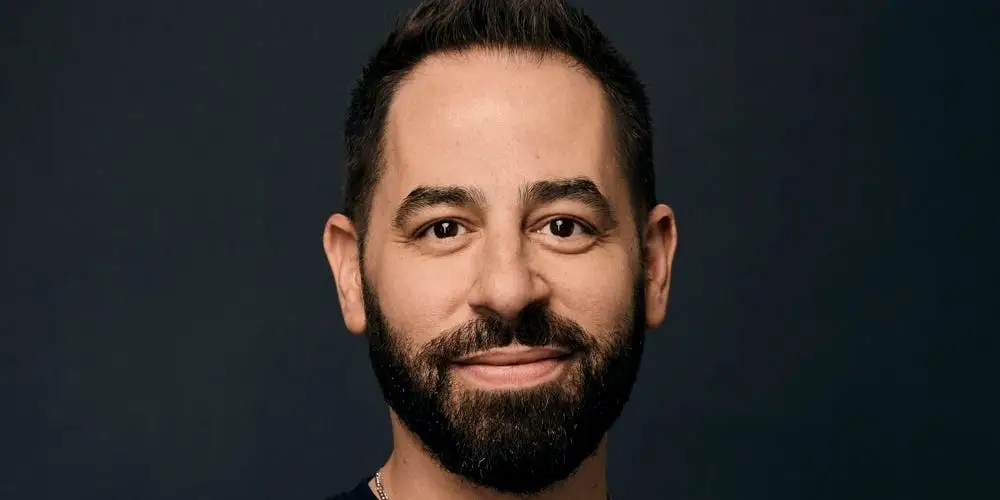
Tom Occhino, Chief Product Officer at Vercel, is no stranger to innovation. Having spent over a decade at Meta, Occhino was instrumental in building React, one of the most widely used frameworks for developing modern web interfaces and applications. His experience has given him a deep understanding of the evolving relationship between AI, open-source technology, and software development.
Recently, Occhino has been talking about a fascinating new concept—“disposable apps.” These are applications that are built quickly, used for a specific purpose, and then discarded just as easily. Thanks to the power of AI-driven coding tools like Vercel’s v0, this idea is no longer futuristic—it’s happening right now.
AI Coding Tools Are Redefining Development
Artificial intelligence has significantly lowered the barrier to entry for software creation. With tools such as v0 by Vercel, developers—and even non-technical users—can create functional apps in minutes. By simply describing what they need or pasting data such as a CSV file, users can generate dashboards, utilities, and interfaces instantly.
Occhino notes that the upfront investment in building software has dropped dramatically. In the past, even a simple app required time, coding expertise, and ongoing maintenance. Now, AI-assisted coding means that people can spin up custom tools effortlessly and move on once they’ve served their purpose. The result? Apps that are easy to build, useful for a moment, and then thrown away when no longer needed.
Examples of Throwaway Apps in Action
According to Occhino, throwaway apps are already being built across various settings. Here are a few examples he’s seen in the wild:
Instant Dashboards from Data: Some users simply paste spreadsheets or CSV files into v0 and instantly get interactive dashboards that make the data easy to visualize and explore.
Event Apps for Hackathons: During a recent Vercel hackathon, one participant created a v0 app containing all event details—schedules, teams, and resources—just for internal use at kickoff.
Personalized Travel Planners: Occhino’s wife took advantage of the same technology to plan a trip to Europe. She transformed her travel spreadsheet into a custom travel app with day-by-day itineraries, locations, and notes for her group.
Tom Occhino’s Own “Disposable” Creations
Occhino has also experimented with these lightweight apps himself. One of his creations is a simple counting tool—a web app that helps him tally everyday items like the number of light switches in his home or desks in Vercel’s offices. Another app he built gives him real-time location data, providing instant information about wherever he happens to be.
While these apps fit the “disposable” model, Occhino admits that he continues to use them. “I actually use them regularly,” he says. “So they’re not really ‘throw away’ anymore.” This underscores a broader truth: sometimes, the simplest tools end up becoming indispensable.
A New Era of Ephemeral Software
The concept of disposable apps represents a shift in how we think about building and using technology. Instead of committing weeks or months to develop a single piece of software, anyone can now generate a solution in moments, solve a problem, and move on.
As AI tools continue to advance, the line between developer and user is blurring—and Occhino’s disposable apps are a glimpse into that future.
For more articles like this visit Trenzest.