Introduction
On the surface, gaming is all about entertainment and immersion. But beneath the surface, the ever-expanding digital landscape brings with it complex security challenges. The recent decision by Activision to take down the Microsoft Store version of Call of Duty: WWII highlights a growing concern within the gaming industry: vulnerabilities in legacy software and how they can be exploited by cybercriminals.
In this post, we dive into what happened, why it matters, and how platforms like Trenzest play a vital role in creating safer digital ecosystems.
The Exploit That Brought Down Call of Duty: WWII
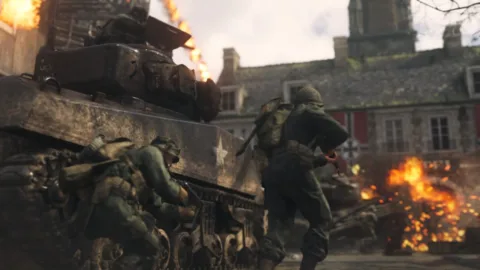
In early July, Activision quietly pulled the Microsoft Store version of its 2017 title Call of Duty: WWII offline, just weeks after making it available on Game Pass, Microsoft’s popular gaming subscription service. The reason? Reports of a serious security exploit surfaced—an issue that allegedly enabled hackers to remotely access and compromise users’ computers.
Although Activision only mentioned it was “investigating reports of an issue,” sources close to the matter confirmed that the company acted swiftly in response to a remote code execution (RCE) vulnerability. This type of flaw can allow malicious actors to execute unauthorized commands on a player’s system, making it a severe threat to personal security.
The publisher has not officially commented, but their status page confirms that the title remains offline for PC players accessing it via Game Pass and Microsoft Store.
What is an RCE Vulnerability and Why It’s Dangerous
A Remote Code Execution (RCE) exploit is one of the most dangerous kinds of software vulnerabilities. It enables attackers to:
Execute malicious code remotely
Install malware or ransomware
Access or steal sensitive information
Gain full control over the victim’s machine
These kinds of vulnerabilities have broad implications, not just for individual users but also for platforms that distribute and maintain the software. In gaming, where massive multiplayer environments rely heavily on secure data transmission, even a single flaw can expose thousands of users to risk.
Microsoft Store Version vs. Steam: A Crucial Difference
Interestingly, the issue did not affect all PC players. Only the Microsoft Store and Game Pass versions of the game were taken offline. According to two independent sources, these versions contained older, unpatched code—a flaw that had already been addressed in the Steam version.
This discrepancy underscores the importance of consistent patch management across platforms. Game developers and publishers often push updates in waves, but when different storefronts maintain separate versions, inconsistencies can arise that leave backdoors open to exploitation.
The Fallout: Gamers, Hacks, and Social Media Reactions
News of the vulnerability spread rapidly across platforms like Reddit, where concerned players shared firsthand experiences.
“The game is not safe to play on PC right now, there’s an RCE exploit,” one user warned on r/CODWWII.
Other users reported mysterious behavior on their PCs while playing the game, further fueling concerns that the exploit had already been weaponized. Although no formal link between specific incidents and the vulnerability has been confirmed, the anecdotal evidence was enough to prompt widespread alarm.
Major gaming outlets such as Kotaku and PC Gamer also covered the story, adding visibility to an issue that has serious ramifications for both end-users and the developers who serve them.
Industry Implications: Why Game Security Matters More Than Ever
This incident is not isolated. In recent years, we’ve seen similar security lapses impact major titles, from GTA Online to Dark Souls III. In every case, developers were caught off guard by vulnerabilities in older or neglected codebases.
As games continue to evolve into always-online experiences, the cybersecurity stakes have never been higher. Whether you’re an indie developer or a billion-dollar publisher, investing in secure coding practices and continuous vulnerability monitoring is no longer optional—it’s mission-critical.
How Trenzest Helps Safeguard Digital Platforms
At the intersection of innovation and security stands Trenzest—a leading-edge platform that empowers tech-driven businesses, including gaming studios, SaaS providers, and eCommerce brands, to identify, mitigate, and prevent digital threats.
Conclusion and Next Steps
The Call of Duty: WWII security issue serves as a wake-up call for the entire gaming industry—and beyond. With increasingly sophisticated threats, proactive security strategies are no longer just best practices—they’re essential.
Key takeaways:
Remote code execution vulnerabilities are serious and require immediate action.
Version control and patching consistency across platforms are crucial.
Platforms like Trenzest offer the robust protection modern digital products need.
If you’re a developer, publisher, or entrepreneur looking to build secure, scalable digital experiences, it’s time to explore what Trenzest can do for you.