Introduction: Tesla’s Bold Move in Austin
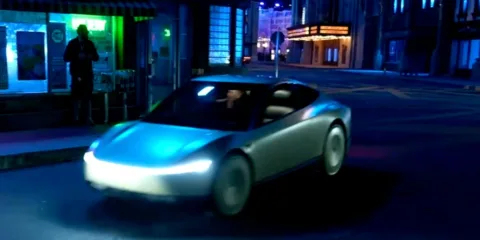
Tesla’s long-awaited robotaxi launch, scheduled for June 22, 2025, in Austin, Texas, has captured the attention of tech enthusiasts, investors, and urban mobility experts worldwide. The project, which promises to usher in a new era of autonomous ride-hailing, aligns with Tesla CEO Elon Musk’s ambitious vision to redefine personal transportation through Full Self-Driving (FSD) technology.
However, with innovation comes scrutiny. Recent political developments suggest Tesla’s robotaxi debut may not be as smooth as anticipated.
New Texas Laws Threaten to Delay the Rollout
Just weeks before the launch, seven Texas lawmakers from both the House of Representatives and the Senate sent a formal letter to Tesla. Their message? Delay the rollout until new autonomous driving regulations go into effect on September 1.
The proposed legislation introduces several key requirements:
Mandatory registration of autonomous vehicles under Texas law
Compliance with updated safety and performance standards
Demonstration of the vehicle’s ability to reach a “minimal risk condition” in case of system failure
These rules aim to ensure that driverless vehicles can operate safely in real-world conditions while protecting public welfare.
What the Lawmakers Are Demanding
Tesla isn’t outright banned from launching the service. Lawmakers have left a window open: Tesla may proceed with the rollout if it can demonstrate compliance with the new laws ahead of time.
One specific requirement is a First Responder Interaction Plan, which mandates Tesla to instruct emergency personnel on how to engage with a driverless car during incidents—something critics argue is currently lacking in most FSD systems.
Representative Vikki Goodwin, one of the key signatories, voiced public concern during an interview with CBS Austin, stating:
“I don’t know that it is ready to be launched… There’s more work that needs to be done before they let them loose on the streets.”
Tesla’s Safety Record Under Scrutiny
Tesla has been testing FSD-enabled Model Y vehicles on Austin streets throughout May and June. On June 10, a driverless Model Y was reportedly seen navigating public roads—evidence that the company is accelerating development.
However, The Dawn Project, a group known for critiquing autonomous tech, conducted a test where a Tesla with FSD failed to stop for a school bus sign and a child-sized dummy. This failure has reignited safety concerns, casting doubt on Tesla’s claim of technological readiness.
Even Elon Musk acknowledged potential setbacks. In a post on X (formerly Twitter), he wrote:
“We are being super paranoid about safety, so the date could shift.”
The Importance of Regulatory Compliance
While Texas has traditionally offered a lenient regulatory environment—making it a hotspot for autonomous vehicle (AV) testing—the upcoming laws mark a shift toward structured oversight.
These rules don’t just affect Tesla. Other industry players like Google’s Waymo, Amazon’s Zoox, and startups backed by Volkswagen and Hyundai are also navigating the evolving legal framework in Texas. Waymo, for instance, has been offering autonomous rides through Uber since March 2025.
If Tesla can prove early compliance, it could gain a first-mover advantage in Austin’s AV market. But a misstep could give competitors time to dominate.
Trenzest Insight: What This Means for Innovators
At Trenzest, we explore how cutting-edge technology intersects with real-world adoption and regulation. The Tesla robotaxi saga offers a textbook example of how regulatory readiness is just as crucial as technological innovation.
For startups and entrepreneurs in the mobility space, the lesson is clear: build with compliance in mind from day one. Whether you’re developing AI-driven platforms, smart hardware, or SaaS tools, understanding the legislative landscape is critical to scaling safely and sustainably.
Want to explore how you can future-proof your product roadmap and navigate emerging tech policy? Visit Trenzest’s blog for more articles like this and resources tailored for next-gen innovators.
Conclusion: Autonomous Future or Regulatory Fiction?
Tesla’s robotaxi project sits at the intersection of visionary innovation and public accountability. While Elon Musk’s push for autonomous ride-hailing could redefine urban mobility, concerns over safety, transparency, and readiness are impossible to ignore.
Whether Tesla meets the regulatory deadline or delays the launch, the bigger question is this: Can any tech giant roll out transformative products without full alignment with evolving laws and public sentiment?
For those watching closely, including marketers, investors, and fellow tech disruptors, the answer lies in how Tesla navigates the next few weeks.
And if you’re building the future—whether in AI, mobility, or digital infrastructure—stay informed, stay compliant, and stay bold.