Introduction: The Changing Face of Entertainment
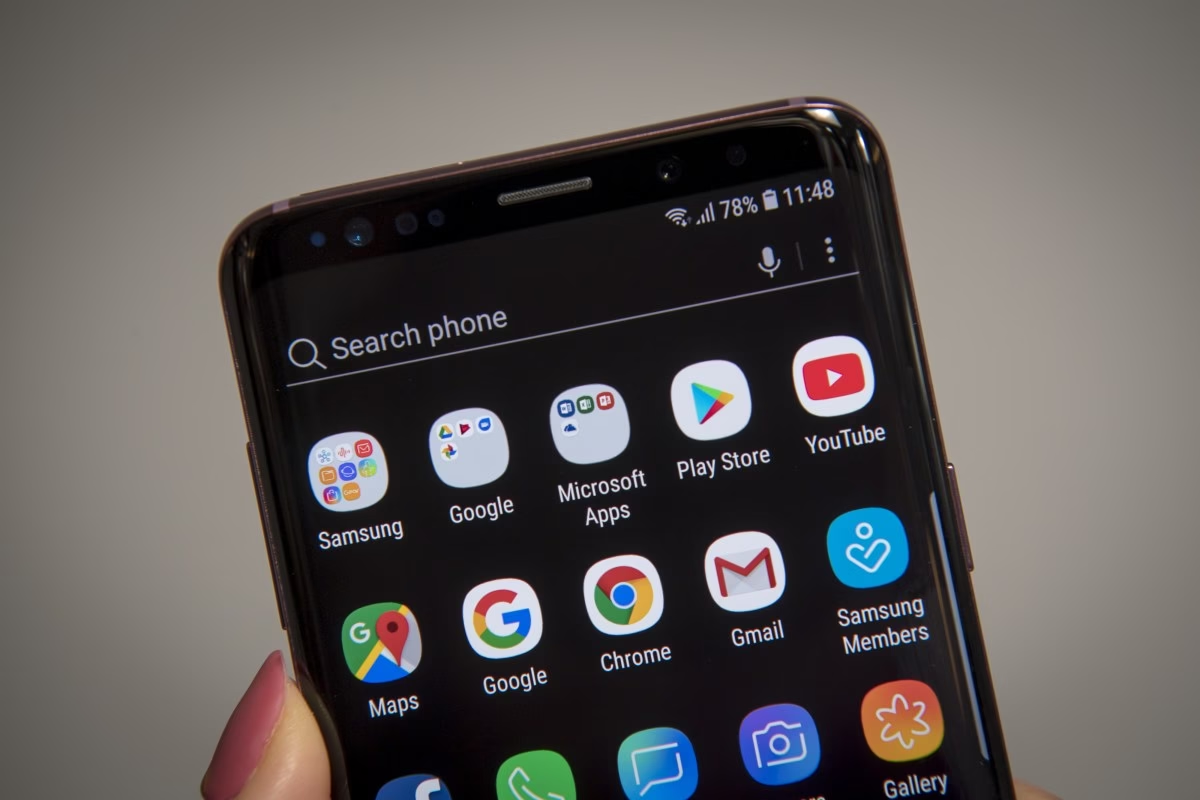
In 2025, entertainment has undergone a fundamental shift. What once was the sole domain of studios and TV networks is now being reshaped by creators, social platforms, and shifting viewer habits. Leading this evolution is YouTube—no longer just a video-sharing site, but a massive force in mainstream media consumption.
As streaming giants like Netflix and Amazon Prime struggle to retain their audiences, YouTube continues to rise—not by mimicking traditional TV, but by redefining it.
Shanked: A New Age Comedy Born on YouTube
One standout example of this transformation is Shanked, a new comedy set in a chaotic country club where the staff clashes with the members. Created by James Lynch and produced by Ryan Horrigan’s London Alley, the series brings low-budget humor reminiscent of early 2000s Comedy Central—but with a twist: it’s premiering on YouTube.
Each 20-minute episode taps into YouTube’s trend of bingeable, episodic content made for the living room. For Lynch and Horrigan, choosing YouTube wasn’t just convenient—it was strategic.
“We love shows like Severance, but every time I go to a friend’s house, there’s always something playing on YouTube,” Lynch notes, highlighting the platform’s ubiquity and mass appeal.
Why YouTube Has Become a Hollywood Alternative
YouTube has moved far beyond cat videos and makeup tutorials. It now commands the largest share of TV watch time globally, according to Nielsen—outpacing Netflix, Disney+, and Prime Video on actual televisions.
YouTube provides:
Lower barriers to entry for creators
Ownership of content and monetization
Flexibility in format and style
A direct relationship with audiences
For emerging talent and even established producers, these factors make YouTube not just an alternative—but an opportunity.
Creator Economy: Growth and Market Impact
The creator economy is booming. Goldman Sachs predicts it will reach a staggering $480 billion by 2027. This growth is propelled by both content consumption and monetization models that favor creators.
A recent report by WPP estimates creators will earn $185 billion through platform revenue shares and brand deals, surpassing the ad revenue spent on traditional broadcasters like Disney and Paramount.
This surge isn’t just about money—it’s about influence. Creators are not only entertainers; they are brand ambassadors, entrepreneurs, educators, and community builders.
YouTube’s Push Toward Episodic Content
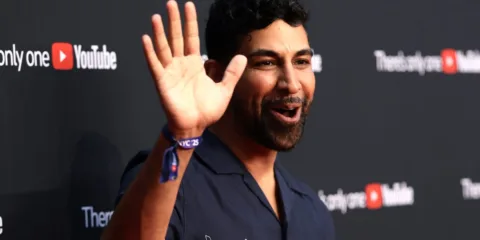
Recognizing the shift in audience preferences, YouTube is actively promoting longer-form, episodic content. At its Brandcast event, YouTube showcased creators like IShowSpeed and Michelle Khare who are producing series akin to traditional television.
To boost legitimacy, YouTube is also campaigning for Emmy nominations and building infrastructure to support higher-quality productions, signaling its intent to compete directly with Hollywood.
YouTube Studio tools now support:
Seamless episode organization
Creator/brand matchmaking for monetization
Integration with Shorts and Community posts for engagement
How Advertisers Are Catching Up
Despite YouTube’s dominance in viewership, many brands have been slow to adjust. “Brands are still spending like it’s 2015,” says Nick Cicero, founder of Mondo Metrics. “They’re chasing impressions over impact.”
That’s changing.
Unilever, one of the world’s top advertisers, now commits 50% of its ad budget to social platforms—up from 30%. It’s also scaling influencer collaborations by 20x.
Why? Because the ROI on creator-led content is more targeted, more measurable, and increasingly more culturally relevant.
Hollywood’s Response and Adaptation
Hollywood studios aren’t standing still. While budgets are tightening post-Netflix boom, the need for fresh, relevant content remains.
Studios are:
Collaborating with YouTubers (e.g., Netflix + The Sidemen)
Launching creator accelerators (e.g., Peacock)
Producing new low-cost formats like video podcasts and serialized dramas
Perhaps the most significant move was Amazon’s $100 million investment into MrBeast’s Beast Games. The show became Amazon’s most-watched unscripted series and was immediately renewed.
New Creator-Backed Productions: Case Studies
Several recent productions highlight this trend:
Netflix & The Sidemen: A strategic play to capture younger audiences.
HBO Max’s Paul American: Featuring Jake and Logan Paul, aligning with reality content’s viral appeal.
Hulu’s The Secret Lives of Mormon Wives: Low-budget but highly engaging.
Tubi’s Stubios: Supporting indie filmmakers and non-traditional storytellers.
These collaborations show that platforms are evolving from content distributors to creator incubators.
The Power Struggle: Ownership, Rights, and Monetization
YouTube’s most significant advantage? Ownership. Creators maintain IP rights, access performance data, and earn 55% of ad revenue.
In contrast, traditional deals often require creators to surrender merchandising, licensing, and streaming rights. For many, that’s a deal-breaker.
Negotiations between platforms like Netflix and creators often stall because of this rigid framework, especially when creators are already earning sustainable income and audience trust independently.
What This Means for Creators and Entrepreneurs
The current media climate presents a unique opportunity—not just for content creators but for marketers, entrepreneurs, and digital brands.
What you can do:
Start a series or branded podcast on YouTube
Collaborate with micro-influencers to amplify your message
Monetize through ads, merch, subscriptions, and sponsorships
Use analytics to refine content and build audience loyalty
Platforms like Trenzest, which supports creator and brand growth through automation and smart content distribution, help bridge the gap between raw creativity and strategic monetization.
If you’re looking to build an audience, sell a product, or educate your niche—this is your moment.
How Platforms Like Trenzest Can Help You Join the Revolution
At Trenzest, we believe the future of content is decentralized, personalized, and creator-driven. Whether you’re launching a mini-documentary, planning a creator collaboration, or seeking passive income through digital products, Trenzest helps you:
Automate marketing funnels
Track campaign ROI
Connect with creators
Optimize your content for SEO and engagement
Conclusion: Entertainment Will Never Be the Same
YouTube’s rise from a UGC platform to the center of the entertainment universe is more than a trend—it’s a transformation. As creators become studios, and viewers become loyal communities, the lines between social media, streaming, and traditional TV are disappearing.
Whether you’re a content creator, an entrepreneur, or a marketer, one thing is clear: the stage is yours.