
Introduction: Mozilla’s Major Shift
On May 23, 2025, Mozilla announced a significant pivot in its product lineup, revealing that it will shut down two of its acquired tools—Pocket, the popular read-it-later app, and Fakespot, a browser extension that flags unreliable reviews. This strategic decision highlights Mozilla’s evolving focus on browser-based experiences and AI-driven tools.
Pocket’s Shutdown: A Closer Look
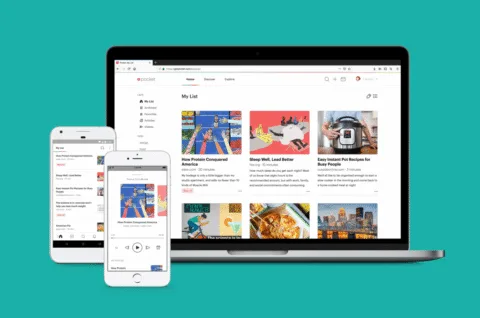
Originally acquired in 2017, Pocket became a go-to solution for millions looking to save articles for later reading. From July 8, 2025, the app and its browser extensions will no longer be functional. Users can continue accessing the service in export-only mode until October 8, 2025, during which they are encouraged to export their data—including saved lists, archives, notes, and highlights.
Mozilla acknowledged that “the way people use the web has evolved,” leading to a reallocation of resources toward projects more in line with modern browsing behaviors.
Fakespot’s End: Why It Didn’t Last
While Fakespot gained attention for combating fake online reviews, Mozilla has decided to sunset it as well. Despite initial interest, the tool “didn’t fit a model [Mozilla] could sustain,” indicating a misalignment with its core strategic initiatives.
The Future of Mozilla: A Strategic Refocus
Mozilla isn’t abandoning content discovery altogether. Instead, it plans to enhance its New Tab experience, leverage its email newsletter, and roll out AI-powered features like vertical tabs and smart search. These moves aim to make Firefox more personalized, intuitive, and relevant in today’s dynamic digital landscape.
“We’ll continue to build a browser that works harder for you: more personal, more powerful and still proudly independent,” Mozilla stated.
Exporting Your Data: What Users Need to Know
If you’ve relied on Pocket to archive content, now is the time to back up your data. Mozilla provides a clear step-by-step guide for exporting your saved items. Users should complete this process before the October 8 deadline to avoid losing valuable information.
How This Reflects Changing Web Trends
This development underscores a broader shift in user behavior. Instead of saving articles, more users are now engaging with content through AI-curated feeds, browser-based experiences, and multimedia formats. These trends are reshaping how information is discovered and consumed.
What This Means for Content Curation Tools
The sunsetting of Pocket creates a vacuum in the content curation space, signaling opportunities for new platforms that adapt to modern preferences. Services that prioritize personalization, cross-device access, and AI-driven recommendations are poised to thrive.
Final Thoughts: Embracing the Future of Browsing
Mozilla’s decision to shut down Pocket and Fakespot reflects a conscious pivot toward creating a more integrated and intelligent web browsing experience. For users, this is a reminder to stay agile and seek out tools that align with current digital habits.
If you’re looking for an alternative that offers strategic insights and future-forward tools, Trenzest is your next stop. We’re here to help you navigate the changing digital landscape—one trend at a time.