Introduction
Just weeks after promising progress in easing trade hostilities, U.S.-China relations have hit another roadblock—this time centered around the semiconductor sector. The recent spat involves Huawei’s AI chips and new export enforcement guidelines, sparking tensions that could ripple across the global tech ecosystem.
Background: Easing Trade Tensions
Following months of economic brinkmanship, the United States and China recently initiated efforts to de-escalate their trade war, fostering cautious optimism among businesses and investors. However, that optimism now appears short-lived.
Huawei at the Center of Controversy
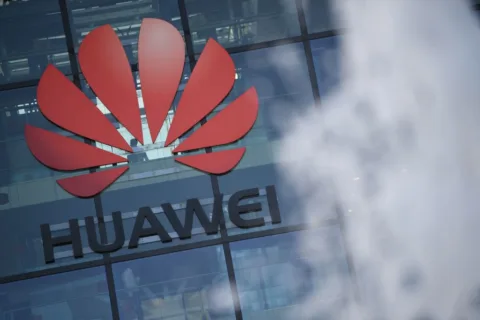
China’s tech giant Huawei has long been at the heart of geopolitical tension. On May 13, the Trump administration issued updated export compliance guidelines targeting Huawei’s Ascend AI chips. These guidelines explicitly stated that companies worldwide must adhere to U.S. export laws, even when using Huawei hardware outside of American borders.
This bold move came shortly after President Biden’s earlier Artificial Intelligence Diffusion rule was revoked, suggesting a shift in strategy back toward hardline enforcement.
The Trump Administration’s Export Guidelines
The guidance raised eyebrows globally by asserting that using Huawei’s AI chips “anywhere in the world” could be deemed a violation of U.S. law. This extraterritorial stance not only aggravated Chinese officials but also unsettled multinational tech firms already navigating complex compliance requirements.
China’s Response: Legal Threats and Trade Discontent
In a swift countermeasure, China’s Ministry of Commerce released a statement threatening legal action against any entity that complies with these updated U.S. rules. This is a significant escalation, signaling that Beijing is prepared to push back legally and diplomatically.
Chinese officials argue that the new guidance undermines the spirit of recent trade negotiations and could derail any progress made in stabilizing economic relations.
Revisions and Repercussions
According to Bloomberg, the U.S. Commerce Department has since modified its original May 13 guidelines, removing the controversial “anywhere in the world” clause. While this revision may aim to dial back tension, the damage to diplomatic momentum may already be done.
What This Means for the Global Tech Industry
This latest development underscores the volatile nature of the global tech trade. Companies dealing with AI, semiconductors, or data infrastructure—particularly those based in or working with China—must reassess their compliance strategies.
Platforms like Trenzest offer insights into navigating these international trade challenges. Our coverage spans emerging tech trends, AI ethics, and regulatory changes—making it a vital resource for marketers, tech entrepreneurs, and global investors looking to stay informed and agile.
Conclusion and Further Reading
As global powerhouses clash over technological dominance, businesses must remain informed and adaptive. The recent flare-up over Huawei’s AI chips illustrates just how fragile diplomatic progress can be in the tech domain.
Stay ahead of the curve by subscribing to Trenzest’s newsletter, where we break down complex global developments into actionable insights. For real-time updates and expert analysis, visit Trenzest.com today.