
Introduction
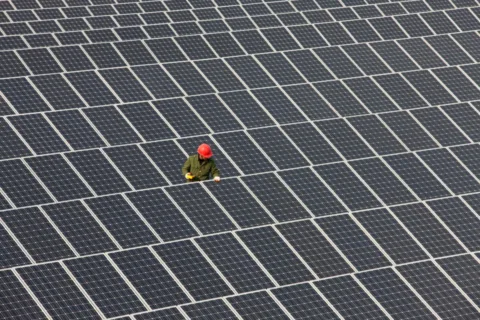
As the demand for artificial intelligence and data-driven technologies grows, so does the need for cleaner, more sustainable energy. Google is stepping up to this challenge by making another significant investment in solar power. In a bold move, the tech giant is purchasing 600 megawatts (MW) of solar energy to fuel its expanding network of data centers.
Google’s Latest Solar Power Deal
The new deal centers around solar and energy storage projects developed in South Carolina by EnergyRe, a renewable energy company currently managing over 16 gigawatts (GW) of clean energy in its pipeline. While many of EnergyRe’s individual projects range between 60–75 MW, some exceed this capacity, showcasing the scalability of modern solar infrastructure.
The Role of EnergyRe and the Scale of the Project
This latest agreement strengthens Google’s commitment to sourcing energy from zero-carbon resources. By working with EnergyRe, a company with a growing reputation for utility-scale renewable solutions, Google ensures both reliability and sustainability in powering its infrastructure.
Google’s Long-Term Renewable Strategy
Google’s clean energy journey isn’t new. In 2023 alone, the company contracted 4 GW of clean energy, a record-setting move in its mission to become carbon-free by 2030. Earlier efforts included a $20 billion pledge with Intersect Power and TPG Rise Climate to develop several gigawatts of zero-carbon power plants.
In January 2024, Google also entered a deal to procure over 700 MW of solar energy from Leeward Renewable Energy in Oklahoma, further signaling its aggressive approach to meeting sustainability goals.
AI’s Impact on Energy Consumption
The rapid growth of artificial intelligence (AI) and the immense computing power it demands are significantly increasing the energy load on data centers. While AI is revolutionizing industries, it also presents new sustainability challenges.
To remain on course for a carbon-free future, companies like Google must now scale their clean energy acquisitions in step with the expansion of AI infrastructure.
How Google Compares with Other Tech Giants
Google isn’t alone in this renewable energy race:
Microsoft added 475 MW of solar capacity in March 2025 alone.
Meta secured 595 MW and 505 MW of solar energy through deals signed in January and February, respectively.
These aggressive clean energy commitments show that big tech is doubling down on sustainability—and that it’s not just good PR; it’s a business imperative in an AI-powered world.
Why This Matters for Entrepreneurs and Marketers
For entrepreneurs, tech founders, and digital marketers, this signals a powerful trend: sustainability is becoming a core business driver, not a side project.
Smart startups are already integrating eco-conscious operations into their value propositions. Marketers can also harness this momentum by crafting campaigns that highlight green credentials, aligning with evolving consumer expectations.
At Trenzest, we analyze how these macro-level innovations influence micro-level decisions for businesses of all sizes. Whether you’re launching a SaaS product or managing marketing strategies, keeping tabs on sustainability trends can give you a competitive edge.
Trenzest’s Take on Green Innovation
Google’s solar investments are more than corporate PR—they represent a blueprint for future-ready infrastructure. At Trenzest, we believe that combining clean energy strategies with emerging tech like AI will define the winners of the next digital era.
Want to future-proof your brand? Stay informed with Trenzest, where we break down complex trends into actionable insights for business owners and marketers alike.
Conclusion and Next Steps
As Google accelerates its renewable energy purchases, it’s clear that sustainability is no longer optional—especially for tech-driven companies. From AI’s growing energy footprint to the massive scale of green power initiatives, the implications are vast.
Entrepreneurs, developers, and marketers should take note: aligning with the clean energy movement isn’t just about ethics—it’s about staying competitive. To explore how these trends affect your business, follow Trenzest and dive into our latest resources on automation, AI tools, and clean tech innovation.