Introduction: Tesla’s Ambitious Robotaxi Vision
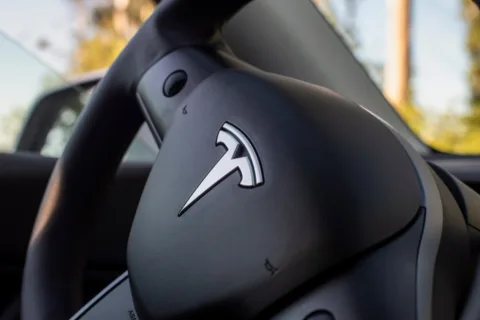
Tesla’s vision of a self-driving, ride-hailing future took a bold leap forward in April 2024, when the company announced internal testing of its Full Self-Driving (FSD) Supervised ride-hailing service in Austin, Texas and the San Francisco Bay Area. With over 1,500 trips and 15,000 miles logged, Tesla positioned this service as a crucial step in developing a fully autonomous fleet.
But as this future accelerates, questions of safety, transparency, and readiness from regulatory bodies are catching up—fast.
NHTSA’s Safety Investigation: What Sparked It?
The National Highway Traffic Safety Administration (NHTSA) has intensified its scrutiny of Tesla’s FSD software, particularly in light of an upcoming robotaxi rollout. In May 2025, the agency’s Office of Defects Investigation (ODI) sent a detailed letter to Tesla, raising concerns about how the system performs under low-visibility conditions like fog, sun glare, and dust.
This action follows NHTSA’s October 2024 investigation, which was triggered by four incidents involving Tesla vehicles using FSD Supervised under limited visibility. The focus now is to determine whether the robotaxi fleet—expected to operate without driver supervision—can safely navigate real-world road conditions.
FSD Supervised vs. Unsupervised: Key Differences
Tesla’s current offering, FSD Supervised, requires drivers to keep their hands on the wheel and remain attentive, even as the software performs many core driving functions such as braking, lane changes, and steering. This places it in the category of an advanced driver assistance system (ADAS) rather than full autonomy.
The upcoming robotaxi service, however, is expected to rely on a future version of FSD Unsupervised—a truly autonomous system, still unreleased, that could potentially eliminate the need for a human driver altogether.
This shift raises critical safety questions:
How will Tesla evaluate the safety of these systems before public deployment?
Are the robotaxis built on the same platform as FSD Supervised, or is it an entirely new system?
Safety in Low-Visibility Conditions: The Core Concern
At the heart of NHTSA’s inquiry is whether Tesla’s robotaxis can detect and respond effectively to conditions where visibility is compromised. These include:
Sun glare
Dense fog
Rain and snow
Airborne dust
Tesla has been asked to explain in detail how the robotaxi system will handle these challenges. The agency also wants to know how safety will be validated before the public launch, and whether the new system leverages the same underlying technology as its current supervised version.
Tesla’s Robotaxi Program: What We Know So Far
As of April 2025, Tesla’s internal tests have rolled out in select cities, targeting early employees and using a mobile ride-hailing app with features like:
Vehicle allocation
Mission control operations
Remote assistance
The company is expected to expand this to public users in the near future, beginning in Austin, Texas, where Tesla’s Gigafactory serves as a central hub.
While Tesla has remained optimistic, regulatory hurdles could delay or alter the timeline. The ongoing federal investigation will likely determine how and when Tesla can expand the service to a wider audience.
Implications for the Future of Autonomous Ride-Hailing
If successful, Tesla’s robotaxi fleet could redefine urban mobility, reduce transportation costs, and disrupt industries ranging from ride-hailing to insurance. However, public safety concerns could stall that progress.
The ongoing regulatory dialogue underscores a major truth: tech innovation must move in lockstep with policy and safety standards.
For those involved in AI, autonomous systems, or transportation startups, Tesla’s journey serves as both a blueprint and a cautionary tale.
What This Means for Entrepreneurs and Tech Enthusiasts
Entrepreneurs, marketers, and innovators should watch Tesla’s robotaxi program closely. Whether you’re building in mobility, AI, or cloud infrastructure, the evolving autonomous vehicle (AV) landscape offers fresh opportunities—and critical lessons.
Safety and user trust are not optional—they’re prerequisites.
Compliance readiness can make or break your go-to-market strategy.
Public perception and communication will shape adoption rates more than just raw capability.
By understanding how major players like Tesla navigate regulatory frameworks, startups can build more resilient, compliant, and scalable models.
Conclusion: The Road Ahead for Tesla and Autonomous Vehicles
Tesla’s push into autonomous ride-hailing is one of the most ambitious bets in mobility today. But as the company faces probing questions from federal regulators, its ability to prove the safety and reliability of its systems will be the defining factor.
The outcome of this investigation could shape not only Tesla’s future, but the regulatory standards for autonomous vehicles across the industry.
As autonomy evolves, staying informed and adaptable is key. Whether you’re building the next mobility platform or simply trying to understand the road ahead, stories like this one are essential reading.