
Introduction
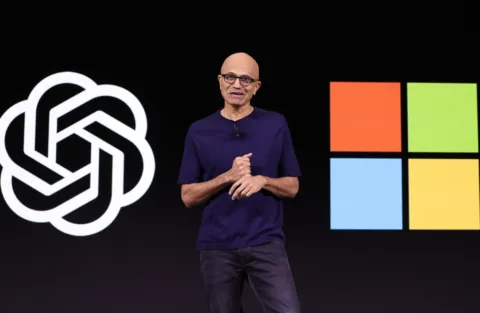
OpenAI, the renowned artificial intelligence research company behind ChatGPT, is reportedly in the midst of intense negotiations with its largest investor and strategic partner—Microsoft. As reported by the Financial Times, these discussions revolve around corporate restructuring, future equity distribution, and long-term technology access, painting a compelling picture of the evolving AI landscape.
The Crux of the Negotiation
At the heart of this negotiation is OpenAI’s restructuring plan. The organization still intends to transition its business arm into a for-profit public benefit corporation, while its nonprofit board retains control. This hybrid structure is relatively novel and requires investor approval, especially from Microsoft, which has already invested $13 billion into the company.
Microsoft’s stake and strategic position in OpenAI’s future depend heavily on how equity will be handled post-restructuring.
Microsoft’s Position and Concerns
According to insiders cited by the Financial Times, Microsoft is considered a key holdout in approving OpenAI’s restructuring. The tech giant is reportedly negotiating not only how much equity it will hold in the new entity, but also revisiting its broader contract with OpenAI.
One major sticking point? The 2030 cutoff. Microsoft may be willing to reduce its equity in exchange for extended access to OpenAI’s future innovations beyond that date.
The Stargate Project and Growing Tensions
Tensions are further heightened by OpenAI’s rapidly expanding enterprise offerings and its ambitious Stargate infrastructure project, which some speculate could lessen its reliance on Microsoft’s Azure cloud services. The growing competitive overlap between the two companies may be complicating these already delicate negotiations.
What This Means for the AI Industry
This development marks a pivotal moment in the AI sector. The outcome could reshape corporate partnerships in the AI ecosystem and influence how other companies—large and small—approach collaboration with foundational model providers.
Startups, marketers, and enterprises must monitor these shifts, especially as access to cutting-edge AI tools may depend on how such strategic relationships unfold.
How Businesses Should Respond
For businesses leveraging AI, it’s crucial to stay ahead of these market dynamics. Re-evaluating your technology stack, understanding licensing terms, and maintaining flexibility in your AI strategy could offer a competitive advantage.
Trenzest’s Perspective on the AI Shift
At Trenzest, we understand how shifts in tech giants’ partnerships can ripple across the industry. Whether you’re a small business owner looking to automate operations or a marketer exploring AI-powered tools, staying informed is essential.
Explore our latest insights on AI for Small Business and learn how to future-proof your strategies in a rapidly evolving digital world.
Conclusion
The ongoing negotiations between OpenAI and Microsoft are more than just boardroom talks—they could define the next chapter of AI deployment, accessibility, and innovation. As this story unfolds, staying agile and informed will be key for tech-savvy entrepreneurs and business leaders alike.
To stay updated with AI trends and how they impact your business, keep an eye on Trenzest and subscribe to our newsletter for expert insights delivered to your inbox.