
Introduction: The Battle for Digital Sovereignty
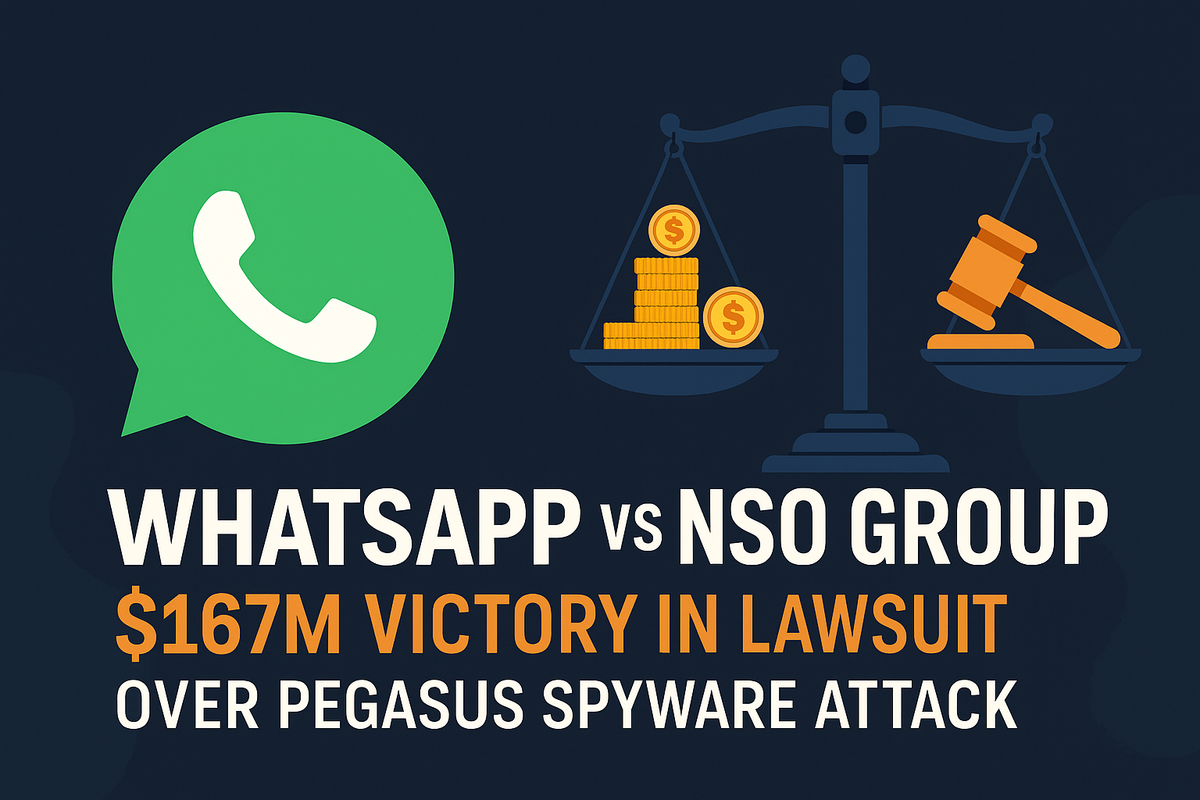
In a critical victory for digital privacy, WhatsApp recently secured a decisive $167 million judgment against NSO Group, the notorious spyware company behind Pegasus. This verdict isn’t just about financial compensation—it marks a turning point in the global debate around digital rights, cybersecurity, and state-sanctioned surveillance.
For tech enthusiasts, entrepreneurs, and marketers, this case underscores the pressing importance of robust digital security in a world where even the most secure platforms can be compromised.
Background: How It All Began
The legal conflict dates back to October 2019, when WhatsApp, owned by Meta, filed a lawsuit against NSO Group. The accusation? NSO allegedly exploited a vulnerability in WhatsApp’s audio call feature to deploy Pegasus, its infamous zero-click spyware, to target over 1,400 users globally—including journalists, activists, and political figures.
This zero-click method allowed spyware to infiltrate devices without any user interaction—a chilling reminder of how vulnerable our digital lives can be.
The Trial and the Verdict
After more than five years of litigation, the case finally concluded with a jury ruling in favor of WhatsApp. The court ordered NSO Group to pay over $167 million in damages.
Throughout the week-long trial, key testimonies came from WhatsApp’s internal teams and NSO Group executives, including CEO Yaron Shohat. The trial shed light on not only the mechanics of the spyware attack but also the broader ethical and legal implications.
Inside the Attack: How Pegasus Infiltrated WhatsApp
WhatsApp’s attorney, Antonio Perez, explained the attack’s technical sophistication during the trial. NSO created a “WhatsApp Installation Server,” which mimicked legitimate WhatsApp infrastructure to send malicious calls.
These fake calls didn’t require users to answer—in fact, once the call was initiated, Pegasus would prompt the device to connect with a remote server and install the spyware, needing nothing more than a target’s phone number.
Tamir Gazneli, NSO Group’s VP of R&D, described this kind of zero-click attack as a “significant milestone” in the spyware’s evolution, showing just how advanced—and dangerous—Pegasus had become.
Key Revelations from the Courtroom
NSO’s Pegasus Targeted U.S. Phones
Despite repeated claims that Pegasus couldn’t target American phone numbers (with +1 country codes), evidence emerged during the trial confirming a U.S. phone had indeed been targeted—albeit in a test for the FBI. NSO’s attorney called it a “specially configured” version for demonstration purposes. The FBI eventually decided against deploying Pegasus.
Spyware Persisted Even After the Lawsuit
One of the most shocking admissions was that NSO continued using its spyware on WhatsApp users even after the 2019 lawsuit was filed. Gazneli testified that variants of the spyware—codenamed Erised, Eden, and Heaven, collectively known as Hummingbird—remained active until at least May 2020.
Governments and the Pegasus Interface
Shohat revealed that NSO’s clients—primarily governments—don’t select specific attack vectors. Instead, the Pegasus backend system determines the best method for compromising a device. This automation reinforces concerns over unchecked surveillance power.
A Surprising Office Mate: NSO and Apple
Ironically, NSO Group shares its office building in Herzliya, Israel, with Apple—one of the very companies whose devices are frequently targeted by Pegasus. While NSO occupies the top five floors, Apple works in the remaining nine of the 14-story structure. This detail, though amusing, illustrates the paradoxes in modern tech spaces.
What This Means for Tech and Business Leaders
The WhatsApp vs NSO verdict isn’t just a legal headline—it’s a wake-up call for businesses everywhere. Whether you’re running a startup or a scaled enterprise, protecting user data isn’t optional—it’s foundational.
Entrepreneurs and marketers must prioritize cybersecurity as a strategic advantage, not just a compliance checkbox. Cyberattacks don’t just damage infrastructure; they erode trust—your most valuable asset.
Trenzest Insight: Data Privacy and Business Ethics
At Trenzest, we believe that ethical tech practices and data transparency are non-negotiable pillars of any sustainable business. The WhatsApp-NSO saga illustrates why digital trust is more than just encryption—it’s about accountability and foresight.
Final Thoughts and Next Steps
The $167 million ruling against NSO Group sends a clear message: misuse of digital tools will not go unpunished. But the broader lesson is one of vigilance. Technology evolves rapidly, and so do the threats. It’s crucial to stay informed, invest in cybersecurity, and uphold ethical standards.
For tech leaders and digital entrepreneurs, this case reinforces that your product’s integrity starts with how you protect your users.