Introduction: The Rise of Robotaxis
Autonomous vehicles (AVs) are rapidly transforming urban transportation, with robotaxis becoming a focal point of innovation. As consumer interest and regulatory support grow, tech giants and mobility leaders are racing to develop scalable, driverless ride-hailing solutions. Uber and Chinese AV company WeRide are at the forefront of this evolution.
Uber and WeRide: A Strategic Partnership
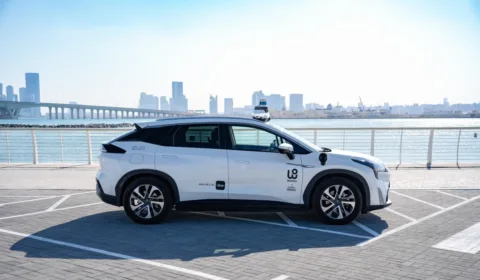
Uber, the global ride-hailing pioneer, and WeRide, a leading Chinese autonomous vehicle technology company, initially partnered to launch a commercial robotaxi service in Abu Dhabi. Just five months later, they are doubling down on that relationship with ambitious plans to expand into 15 new cities over the next five years.
This partnership is part of Uber’s broader commitment to integrating autonomous vehicles across its mobility network. For WeRide, this collaboration provides a critical foothold in international markets, particularly in Europe and the Middle East.
A $100 Million Investment in the Future
According to a regulatory filing released Wednesday, Uber will increase its investment in WeRide by $100 million, with funding expected to be completed by the second half of 2025. This financial boost underscores Uber’s confidence in WeRide’s autonomous driving capabilities and future scalability.
WeRide, which went public on the Nasdaq in October, is leveraging this capital to accelerate R&D and deployment efforts across global markets.
Global Expansion: Beyond Abu Dhabi
After launching their initial robotaxi service in Abu Dhabi, Uber and WeRide are now preparing to introduce the service to Dubai. In Abu Dhabi, the duo collaborates with Tawasul Transport to manage local fleet operations—an operational model likely to be replicated in future cities.
Interestingly, this new phase of expansion will bypass China and the United States, focusing instead on emerging and regulation-friendly regions, especially in Europe and the Middle East.
How the Partnership Works
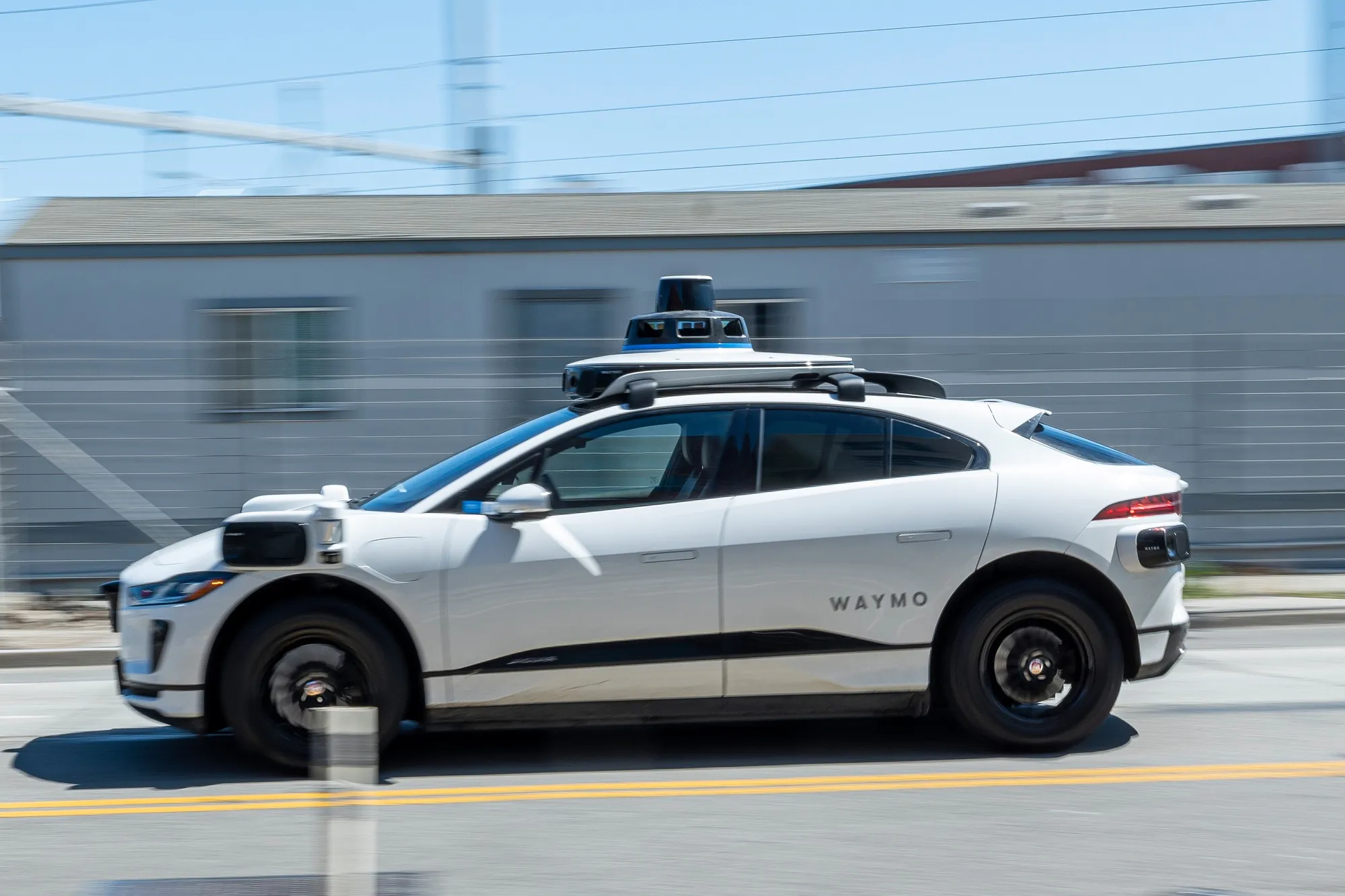
This collaboration mirrors Uber’s arrangement with Waymo. Here’s how it functions:
WeRide handles the autonomous technology, vehicle hardware, and software stack.
Uber manages the app integration, routing, customer interface, and fleet logistics.
Robotaxi bookings are made via the Uber app, creating a seamless experience for users.
This division of responsibilities allows both companies to focus on their core strengths while accelerating deployment timelines.
Uber’s Broader AV Strategy
Uber has been aggressively forming partnerships across the autonomous mobility sector. Over the past two years, the company has entered into over 15 strategic collaborations across ride-hailing, delivery, and freight.
Recent partners include:
May Mobility, an Ann Arbor-based AV firm.
Volkswagen, bringing automotive manufacturing muscle to the table.
Momenta, another Chinese self-driving startup with global ambitions.
Uber’s most visible AV partnership remains with Waymo, currently operational in Austin and expanding into Atlanta, offering “Waymo on Uber” rides.
These alliances reflect Uber’s strategy to remain platform-agnostic while leading the mobility-as-a-service (MaaS) revolution.
Implications for the Autonomous Vehicle Market
This expansion is more than a business move—it’s a signal. It shows that commercial robotaxi deployment is no longer a future concept but a current reality in specific cities. With Uber and WeRide scaling services internationally, stakeholders—from urban planners to investors—must start preparing for a world where autonomous ride-hailing is commonplace.
The collaboration also challenges competitors like Cruise and Tesla’s FSD to accelerate their own timelines for deployment.
Conclusion: The Road Ahead
Uber and WeRide’s expanded partnership is a landmark moment for the autonomous ride-hailing industry. By targeting new cities, securing major capital, and refining their operational model, the two companies are setting a precedent for the future of transport.
As the world moves toward driverless mobility, companies that can blend cutting-edge technology with seamless user experiences—like Uber and WeRide—will dominate. For innovators, investors, and policymakers, this is a development worth watching closely.