
1. Introduction
As autonomous vehicle (AV) technology matures, ride-hailing giants like Uber are accelerating efforts to establish dominance in the global robotaxi sector. In a series of strategic announcements, Uber revealed multiple new partnerships with leading Chinese AV firms, underscoring its ambitions to stay ahead in the race toward fully autonomous ride-hailing services.

2. Uber’s Bold Move into the Robotaxi Market
Uber’s entry into the autonomous mobility space isn’t new. However, its recent collaborations mark a shift in scale and strategy. In the past week alone, Uber has unveiled three new partnerships with Chinese AV developers: Pony.ai, Momenta, and WeRide. These agreements aim to roll out robotaxi services across the Middle East and Europe, signaling Uber’s intent to capture high-growth international markets and diversify its AV portfolio.
3. The Pony.ai Collaboration: Expanding into the Middle East
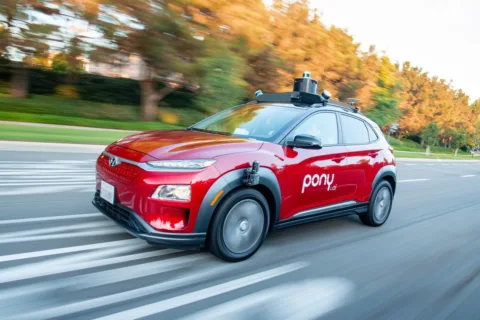
The most recent of these deals is with Pony.ai, a Guangzhou-based company publicly listed on Nasdaq with a valuation of $5.25 billion. Uber plans to integrate Pony.ai’s autonomous vehicles into its platform in a key Middle Eastern market by the end of 2025. While the specific country hasn’t been disclosed, the move positions Uber to leverage its existing presence in the region while introducing cutting-edge AV services.
The pilot phase will initially include safety operators in the vehicles, gradually transitioning to full autonomy. This phased approach reflects both a commitment to safety and a long-term roadmap for scalable deployment.
4. Broader Partnerships with Momenta and WeRide
Just a day before the Pony.ai announcement, Uber disclosed two more major partnerships:
Momenta: Uber will launch robotaxi operations in Europe by 2026 through this alliance.
WeRide: Already operational with Uber in Abu Dhabi, WeRide is set to expand services into 15 cities across Europe and the Middle East over the next five years.
These partnerships are strategic moves to strengthen Uber’s foothold outside of the U.S., diversify its AV capabilities, and reduce overreliance on a single technology partner.
5. Why Chinese AV Firms Are Key to Uber’s Global Growth
Chinese autonomous vehicle firms have been making rapid international progress. For example:
WeRide runs commercial services in Beijing, France, and Abu Dhabi, with active tests in other European markets.
Pony.ai operates paid robotaxi services in three Chinese cities and recently started testing in Luxembourg.
These firms bring scalability, technology, and geographic reach that complement Uber’s existing infrastructure, especially in emerging markets where regulatory environments may be more welcoming.
6. The Competitive Landscape: Tesla, Waymo, and Global Expansion
Uber’s aggressive moves come at a time of rising competition and scrutiny:
Tesla is preparing to launch its own robotaxi service in Austin as early as next month.
Waymo, while a U.S. leader in the AV space, is still gathering preliminary data in Tokyo.
Meanwhile, Uber is navigating federal investigations and anticipating a potential consumer spending pullback in 2025.
To investors and analysts, these partnerships send a clear message: Uber is not waiting around. It’s investing in diversified global growth now.
7. Uber’s Position in the Middle East and Strategic Acquisitions
Uber’s growing presence in the Middle East is built on strong foundations. In 2019, Uber acquired Careem, a regional ride-hailing competitor, to strengthen its footprint in countries like the UAE, Saudi Arabia, and Jordan. These new robotaxi partnerships are a natural extension of that regional strategy.
Additionally, Uber is reportedly acquiring a controlling stake in a Turkish food delivery company, signaling broader diversification in on-demand services.
8. What This Means for the Future of Autonomous Mobility
These moves aren’t just about expanding Uber’s global presence—they reflect the broader shift in how transportation will evolve. Robotaxis can reduce labor costs, increase efficiency, and offer scalable mobility solutions, especially in urban environments with high demand and infrastructure readiness.
The inclusion of safety drivers during pilot phases also demonstrates a thoughtful, phased approach to introducing autonomy—critical for gaining public trust and regulatory approval.
9. Final Thoughts and Next Steps
Uber’s global push into autonomous mobility through strategic Chinese partnerships is a bold but calculated move. By leveraging its existing infrastructure and aligning with some of the fastest-scaling AV developers in the world, Uber is setting itself up as a central player in the future of transportation.
For entrepreneurs, marketers, and tech enthusiasts, this is a compelling case study in global strategy, innovation, and the power of partnership. Whether you’re a startup founder or an investor, there’s plenty to learn from Uber’s approach.