
Introduction
In a major escalation of ongoing tensions between tech regulators and industry giants, Apple has come under intense scrutiny for allegedly defying a federal court order. Judge Yvonne Gonzalez Rogers, who previously presided over the Epic Games v. Apple lawsuit, has now accused the company of willfully violating her injunction and misleading the court. This development could have far-reaching consequences for Apple, app developers, and the broader digital economy.
The Epic v. Apple Legal Battle: A Brief Recap
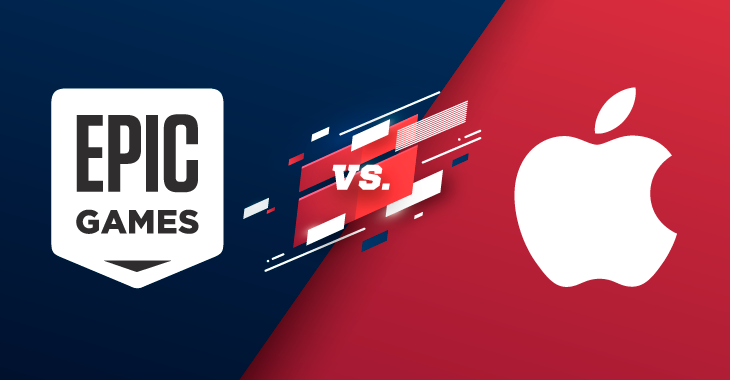
The conflict began in 2020 when Epic Games, the developer behind Fortnite, challenged Apple’s App Store policies. The primary contention centered on Apple’s 30% commission on in-app purchases and restrictions on alternative payment methods—policies Epic argued were anticompetitive and harmful to developers’ revenue streams.
In 2021, while Judge Gonzalez Rogers largely ruled in favor of Apple, she did mandate that the company allow developers to inform users about alternative payment options. The goal was to foster competition and reduce dependency on Apple’s in-app purchase system.
Apple’s Response to the 2021 Court Order
Following the ruling, Apple adjusted its policy—but not without controversy. The company introduced a reduced 27% commission for purchases made outside its ecosystem. However, it also added scare screens and other UX friction points that discouraged users from choosing third-party payment methods.
Critics, including Epic Games, argued that Apple was acting in bad faith. The company’s subtle tactics seemed more about preserving its revenue streams than complying with the court’s intent to open up the marketplace.
Contempt Allegations and Judicial Backlash
This approach has now resulted in Apple facing contempt allegations. Judge Gonzalez Rogers has referred the matter to the U.S. Attorney’s Office in San Francisco to determine whether criminal contempt proceedings are warranted. Her ruling is unequivocal in tone:
“Apple pursued its non-compliance strategy with the express intent to create new anticompetitive barriers… a revenue stream previously found to be anticompetitive.”
Apple’s refusal to immediately comply with the order has been framed not as misunderstanding but deliberate insubordination.
Executives Under Fire: Lies and Misdirection
The judge’s ruling also spotlighted Apple’s internal leadership, calling out Vice President of Finance Alex Roman for allegedly lying under oath. Gonzalez Rogers described Roman’s testimony as:
“Replete with misdirection and outright lies.”
She further emphasized that contemporaneous internal documents contradicted Apple’s courtroom narrative, indicating that the company knew exactly what it was doing.
This kind of public rebuke not only damages credibility but could also trigger internal audits and external investigations.
Internal Power Struggles at Apple
In a revealing segment of her ruling, Gonzalez Rogers cited internal Apple documents showing that App Store chief Phillip Schiller advocated for complying with the injunction. However, his views were reportedly overruled by CEO Tim Cook, influenced instead by CFO Luca Maestri and his finance team.
This raises questions about how decisions are made within Apple—and whether profit motives are outweighing legal compliance and ethical considerations.
Implications for Developers and the Tech Ecosystem
This case is more than a legal drama—it signals a pivotal moment for the entire app development ecosystem. Apple’s App Store remains one of the most powerful digital marketplaces, and its rules shape the way millions of developers engage with users and monetize their apps.
If Apple continues to maintain anticompetitive practices, innovation may be stifled, especially for indie developers and startups that rely on transparent and fair platform policies.
A Wake-Up Call for Platform Accountability
The case underscores the growing demand for platform accountability. Big Tech companies must align their operations not just with profitability but with regulatory expectations and developer rights.
As regulatory scrutiny intensifies globally—from the EU’s Digital Markets Act to antitrust efforts in the U.S.—companies like Apple may face increasing pressure to reform internal practices and prioritize fair competition.
Why This Matters for Entrepreneurs and App Creators
For tech entrepreneurs, marketers, and creators, understanding these developments is crucial. Platform dynamics can directly affect your business model, user acquisition strategy, and monetization opportunities.
Keeping up with regulatory shifts allows entrepreneurs to adapt proactively. Whether you’re building an app, launching a SaaS product, or marketing on mobile platforms, transparency and trust are becoming key value propositions.
Conclusion and Next Steps
Apple’s legal troubles underscore a larger conversation around tech ethics, platform control, and user freedom. As the situation develops, it will be important to watch how both the legal system and the tech community respond.