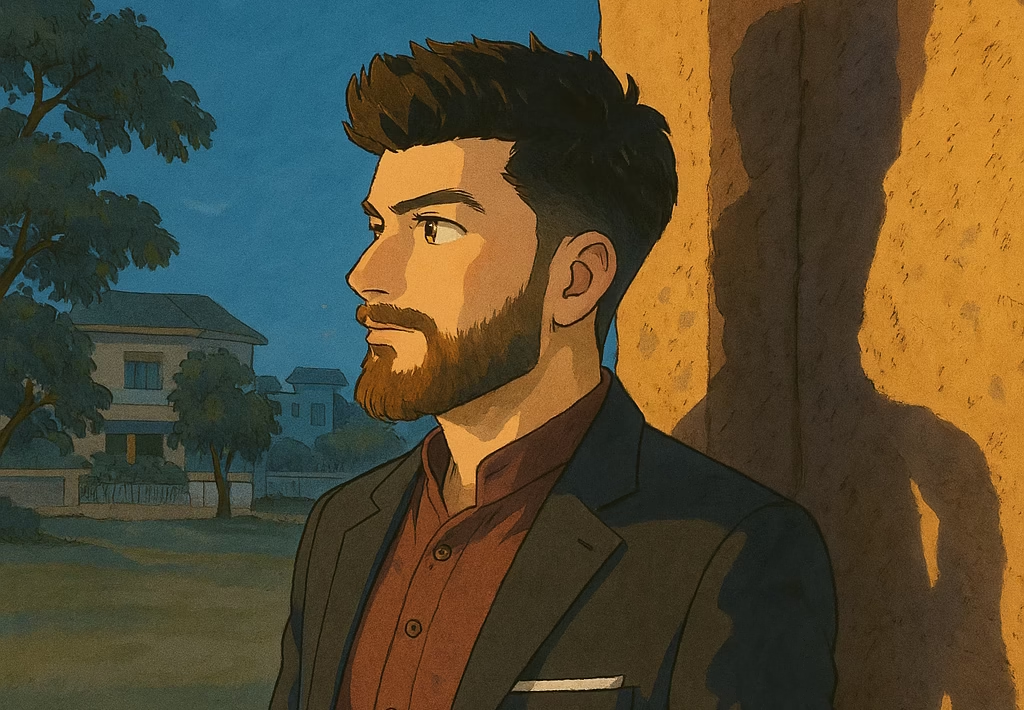
In the ever-evolving world of digital art, a fascinating trend has emerged that merges the timeless charm of Studio Ghibli with cutting-edge artificial intelligence. AI-generated artworks that emulate the signature style of Studio Ghibli have taken the internet by storm, captivating art enthusiasts, casual observers, and critics alike. This blog explores the rise of Ghibli-inspired AI art, the technology behind it, the cultural impact it has generated, and the ongoing debate over creativity and originality.
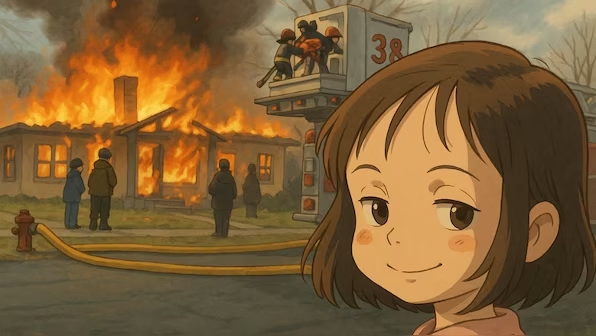
A New Era of Digital Creativity
Recent advancements in artificial intelligence have democratized the art creation process. Tools that once required extensive technical expertise are now accessible to artists and hobbyists alike. Platforms such as Getimg.ai and various diffusion models enable users to transform text prompts into vibrant, whimsical images reminiscent of Ghibli classics like Spirited Away and My Neighbor Totoro. These AI tools have empowered individuals to experiment with and reinterpret a style that has defined an entire generation of animation.
The surge in AI art is part of a broader movement where technology meets creativity. Advanced models—some even integrated with interfaces like ChatGPT—allow users to generate detailed images that capture the enchanting landscapes and expressive characters typical of Studio Ghibli films. This digital revolution is not only pushing the boundaries of traditional art forms but also prompting us to reconsider the role of technology in creative expression.
What Makes Ghibli Art So Captivating?
Studio Ghibli’s art is renowned for its lush, detailed backgrounds, vibrant colors, and imaginative storytelling. These elements evoke a sense of nostalgia and wonder, which resonates with audiences around the world. The Ghibli aesthetic goes beyond mere animation; it encapsulates a philosophy of nature, humanity, and fantasy that transcends age and culture.
The appeal lies in its meticulous attention to detail. From serene forest scenes to bustling townscapes, every frame is crafted with an artist’s precision and a storyteller’s soul. This has led many to seek ways to recreate or pay homage to this visual style using modern technology. AI-generated Ghibli art is a testament to how traditional artistic sensibilities can be reinterpreted through the lens of contemporary digital tools.
The Social Media Surge
Social media platforms have played a pivotal role in popularizing this trend. Enthusiasts on Instagram, Twitter (formerly X), and Reddit have embraced AI-generated Ghibli images, sharing them widely and inspiring communities to create and collaborate. Memes, fan art, and even short animated clips crafted in the Ghibli style have found a dedicated audience online.
One of the most notable aspects of this trend is its virality. A single post featuring a stunning Ghibli-inspired image can quickly garner thousands of likes and shares, fueling an explosion of similar content across various networks. This viral momentum has encouraged even more experimentation, leading to an ecosystem where traditional fans of Studio Ghibli and digital artists intersect.
For instance, a Reddit user recently shared a tutorial on creating Ghibli-style AI videos, demonstrating how to blend classic aesthetics with modern technology. This cross-pollination of ideas underscores the dynamic interplay between heritage and innovation in today’s creative landscape.
Ethical Debates and Legal Considerations
With the rising popularity of AI-generated art comes a host of ethical and legal questions. Critics argue that reproducing a style as distinctive as Studio Ghibli’s without explicit permission can infringe on intellectual property rights and devalue the contributions of human artists. Prominent voices in the art community, including figures like Zelda Williams—daughter of the late Robin Williams—have openly criticized the trend. Williams has highlighted concerns that such practices undermine the legacy and artistic integrity of the original works, as echoed in discussions featured on platforms like SF Chronicle.
The legal landscape surrounding AI art remains complex and unsettled. Questions about copyright infringement, fair use, and the ethical implications of using large datasets of copyrighted material to train AI models are hotly debated. Some legal experts caution that while AI can generate art in a style that evokes Studio Ghibli, doing so without proper licensing or acknowledgement may cross legal boundaries. Discussions in reputable publications such as AP News underscore the need for clearer guidelines as technology continues to outpace legislation.
AI: A Creative Ally or a Creative Threat?
The debate surrounding AI art is not solely about legality and ethics—it also touches on the broader question of creativity. Can an algorithm truly create art, or is it merely replicating human ingenuity? Proponents of AI-generated art argue that these tools serve as extensions of human creativity. They can inspire new forms of expression, enable artists to visualize ideas quickly, and democratize the creative process by lowering barriers to entry.
On the other hand, detractors fear that as AI becomes more adept at emulating distinctive styles, it could devalue the work of traditional artists. There is concern that reliance on AI may stifle originality, leading to a homogenized art landscape where human creativity is overshadowed by machine-generated content. This tension is evident in heated discussions across social media and professional art forums.
Ultimately, the future of art in the age of AI may hinge on finding a balance—one that leverages technology as a tool for inspiration while preserving the unique human touch that has defined artistic expression for centuries.
Embracing a Digital Future
As we navigate these uncharted waters, one thing is clear: the fusion of AI and traditional art styles like that of Studio Ghibli is reshaping our understanding of creativity. AI-generated art is not a replacement for human artistry but rather a new medium that challenges our preconceived notions about originality and expression. It invites us to reimagine what art can be when we blend the best of both worlds.
Looking ahead, the integration of AI in art offers exciting possibilities. Emerging technologies could further refine the ability to mimic complex artistic styles, leading to innovations in animation, design, and multimedia storytelling. The digital art community is only at the beginning of this journey, and the interplay between machine learning and creative expression will likely produce even more groundbreaking work in the coming years.
Trenzest’s Role in the Creative Revolution
At Trenzest.com, we are passionate about embracing the latest trends in technology and art. Our team is dedicated to exploring the intersection of creativity and innovation, and we believe that the rise of AI-generated art is just one example of how technology can transform the creative landscape.
We invite you to explore our blog for more insights into digital trends and innovative technologies that are shaping the future.
The Road Ahead: Navigating Challenges and Opportunities
The journey of integrating AI into the art world is filled with both promise and challenges. As technology continues to evolve, artists and technologists must work together to address ethical concerns, establish fair use policies, and develop tools that support creative freedom while respecting the rights of original creators.
Key questions remain: How can we ensure that AI-generated art does not erode the value of human creativity? What frameworks can be put in place to protect intellectual property while encouraging innovation? These are issues that require collaboration across legal, technological, and artistic communities. The answers will likely shape the future of digital art and the broader creative industries.
At Trenzest, we are committed to contributing to this dialogue. By staying at the forefront of technological innovation and supporting initiatives that foster responsible creativity, we aim to be part of the solution in navigating the complex landscape of AI art.
Conclusion
The trend of Ghibli-inspired AI art is a captivating example of how traditional aesthetics can be reinterpreted through modern technology. It has sparked a vibrant conversation that spans social media platforms, legal debates, and ethical discussions. While some view it as a tribute to one of the most beloved animation styles of our time, others see it as a potential threat to the sanctity of original art.
What remains undeniable is that this phenomenon is driving a broader rethinking of what art means in the digital age. As we continue to explore the possibilities offered by AI, it is essential to strike a balance that honors the heritage of traditional art while embracing the innovative potential of technology.
For further reading on related topics, check out articles like Anime Lessons in the Limits of AI and Hayao Miyazaki’s AI Nightmare. These pieces provide additional insights into the dynamic intersection of art and technology.
As we forge ahead into a future where digital and traditional art forms coexist, the conversation around AI-generated Ghibli art will undoubtedly continue to evolve. Stay updated with the latest trends and innovative ideas by visiting Trenzest.com and joining our community of forward-thinking creatives.
In this exciting time of transformation, let us embrace the opportunities, address the challenges, and celebrate the diverse expressions of creativity that define our digital era.