

Introduction: Why AI Isn’t Just for Big Tech
When you hear “Artificial Intelligence,” your mind might jump to tech giants like Google, Amazon, or Tesla. But AI is no longer just for the Silicon Valley elite. It’s a powerful, accessible tool that small business owners can leverage to automate repetitive tasks, gain customer insights, and scale smarter—not harder.
Whether you’re a digital creator, tech entrepreneur, or run a local retail shop, AI can unlock new levels of efficiency and innovation. And the best part? You don’t need a data science degree to get started.
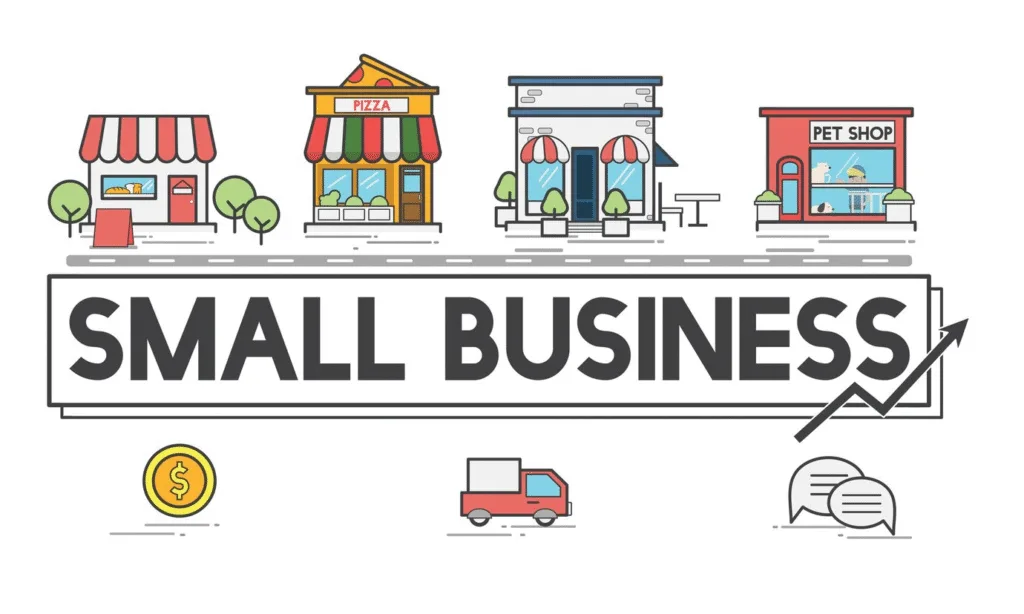
How Small Businesses Can Benefit from AI
AI can impact nearly every aspect of running a small business. Here’s how:
- Automation of Repetitive Tasks: Save hours by automating inventory updates, email responses, appointment scheduling, and more.
- Smarter Decision-Making: AI-powered analytics can help you understand your customers better, optimize marketing campaigns, and predict sales trends.
- Enhanced Customer Service: Tools like chatbots or virtual assistants can provide 24/7 support with minimal overhead.
- Personalized Marketing: Machine learning enables hyper-targeted advertising and content recommendations based on real user behavior.
Did you know? According to Salesforce, 91% of businesses with over 11 employees already use CRM software, and many are integrating AI features for smarter outreach.
Real-World Use Cases
Here’s how AI is being applied by real small businesses today:
1. Retail and E-Commerce
- Inventory Forecasting: Tools like Shopify Magic use AI to predict stock levels and automate reordering.
- Product Recommendations: Small e-commerce stores can implement tools like Clerk.io or Nosto for personalized shopping experiences.
2. Service-Based Businesses
- Appointment Scheduling: Platforms like Calendly or Acuity use AI to manage bookings efficiently.
- Client Onboarding: Automated form fillers and chatbots reduce onboarding time for agencies and consultants.
3. Content Creation & Marketing
- AI Writers: Tools like Jasper, Copy.ai, and ChatGPT can generate high-converting blog posts, emails, and product descriptions.
- SEO Tools: Services like Surfer SEO and Semrush offer AI-driven content optimization.
Essential AI Tools and Platforms
Here are some beginner-friendly tools that pack a punch for small business owners:
| Use Case | Tool | Description |
|---|---|---|
| CRM & Sales | HubSpot CRM | Offers AI features for lead scoring and sales forecasting. |
| Customer Service | Tidio / Intercom | AI chatbots that handle real-time customer queries. |
| Marketing Automation | Mailchimp / Brevo (formerly Sendinblue) | Use AI to optimize email subject lines and send times. |
| Analytics | Google Analytics 4 | Uses machine learning to predict customer behavior. |
| Content Creation | Canva Magic Write, Jasper, Copy.ai | Fast-track your content pipeline with smart writing tools. |
Getting Started with AI: Actionable Tips
Jumping into AI doesn’t have to be overwhelming. Follow these steps:
- Identify Repetitive Tasks: Look at where your team spends time and find tools to automate those tasks.
- Start Small: Use free trials of tools like Zapier, Notion AI, or ChatGPT to test their value.
- Upskill Your Team: Free courses from platforms like Coursera, Google AI, or LinkedIn Learning can help your team get AI-savvy.
- Track ROI: Set benchmarks before introducing AI to measure improvements in time savings, engagement, or sales.
Pro Tip: Start with low-risk experiments like automating your newsletter or social media scheduling using Buffer or Later.
The Road Ahead: Trends to Watch
AI continues to evolve, and being aware of the trends can help you future-proof your business:
- Generative AI in Design: Tools like Runway ML and Midjourney are enabling stunning creative outputs.
- Voice Search & Smart Assistants: Optimizing content for voice queries is becoming essential.
- AI + Web3 Integration: The convergence of blockchain and AI is opening new frontiers in trustless automation.
- IoT + AI: Businesses in logistics and retail are using IoT sensors with AI for real-time tracking and optimization.
Stay up to date with emerging tech on Trenzest.com, where we decode AI, Web3, and beyond for creators and entrepreneurs.
Conclusion: Future-Proof Your Business
AI is no longer optional—it’s a game-changer. For small business owners willing to explore its potential, it offers tools to do more with less, serve customers better, and unlock new growth paths. You don’t have to be a tech wizard to start. Just curious, strategic, and open to change.
Ready to dive deeper? Explore more tech trends, automation tips, and growth hacks at Trenzest.com. Don’t forget to share, comment, or subscribe to stay in the loop with what’s next in innovation.



2 thoughts on “AI for Small Business Owners: A Beginner’s Guide to Smarter Growth”