Introduction
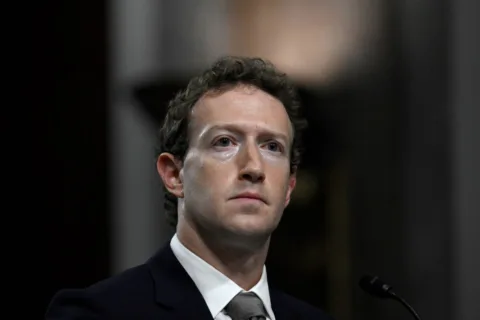
Meta, the parent company of Facebook, Instagram, and WhatsApp, finds itself at a critical crossroads as it faces a landmark antitrust trial led by the U.S. Federal Trade Commission (FTC). At the heart of the proceedings is a revealing testimony by Meta CEO Mark Zuckerberg, which underscores how deeply TikTok has disrupted the social media landscape.
This blog explores the key takeaways from Zuckerberg’s testimony, the implications for the tech industry, and actionable insights for entrepreneurs and marketers navigating the fast-changing digital environment.
Meta’s Antitrust Trial: The Context
The FTC’s case against Meta is one of the most closely watched legal battles in tech. The regulatory body argues that Meta’s dominance stifles competition and innovation in the social media industry. If the FTC succeeds, Meta may be required to divest major platforms such as Instagram and WhatsApp, fundamentally reshaping the social media ecosystem.
The trial kicked off with a flurry of statements, but Zuckerberg’s acknowledgment of TikTok’s threat stood out as a pivotal moment.
Zuckerberg Acknowledges TikTok as a Major Threat
During his testimony, Mark Zuckerberg referred to TikTok as a “highly urgent” competitive threat. He admitted that the short-form video platform had a profound impact on Meta’s business when it surged in popularity around 2018.
“Our growth slowed down dramatically,” Zuckerberg said, referencing the period following TikTok’s meteoric rise.
The acknowledgment is significant, not only for legal reasons but also because it reveals how dramatically the dynamics of user engagement and platform strategy have shifted in the last five years.
The Strategic Shift: From Facebook to “Family of Apps”
Around the same time TikTok gained traction, Meta made a calculated move by shifting how it reported user engagement. Instead of sharing individual user counts for Facebook, the company began grouping statistics under a broader “family of apps” umbrella—encompassing Instagram, WhatsApp, and Facebook itself.
This move was seen by many analysts as a way to mask slowing growth on the flagship platform. Internally, it represented a pivot in strategy—one that focused on maintaining perceived dominance while adapting to market shifts brought on by agile competitors like TikTok.
The Rise of Discovery-Based Social Media
One of the more eye-opening parts of Zuckerberg’s testimony revolved around how social media platforms have evolved from connection-based to discovery-based ecosystems.
“The apps now serve primarily as discovery engines,” he told the court. “People can take that content to messaging engines.”
In essence, the focus has moved from personal networks to algorithmic discovery. Platforms like TikTok thrive because they prioritize engaging content over social connections. This has disrupted the traditional network effect model that Meta once relied on.
For businesses and content creators, this shift emphasizes the need to produce high-quality, shareable content that can break through algorithmic noise rather than simply relying on existing social graphs.
Meta’s Return to Its Social Roots
Interestingly, while acknowledging the rise of discovery-driven engagement, Meta is also attempting to return to its roots. New features, including a redesigned Friends tab on Facebook, aim to rekindle direct user connections.
In early 2025, Zuckerberg stated that a “return to OG Facebook” would be a major focus. The platform now offers improved visibility into friend activity, streamlined messaging, and other features designed to bring back the sense of community that once defined Facebook’s early days.
This strategic backtrack demonstrates Meta’s recognition that authentic, personal interaction still holds value, especially in an era of fleeting short-form content.
What This Means for Entrepreneurs and Marketers
For entrepreneurs, marketers, and tech enthusiasts, there are several key takeaways:
Adaptability is crucial: Meta’s evolution highlights how rapidly user behavior can change—and how vital it is to pivot accordingly.
Discovery is now king: Brands must optimize for discovery algorithms, not just follower engagement.
Diversify your platforms: Relying too heavily on one channel—be it Facebook, Instagram, or TikTok—poses a risk. Multi-channel strategies are essential.
Leverage both community and content: While discovery is rising, people still crave connection. Finding a balance is key.
At Trenzest, we specialize in helping small business owners and marketers adapt to the fast-changing digital ecosystem. Whether it’s optimizing your brand for discovery-based platforms or creating community-driven campaigns, our resources and expert guidance ensure you’re always one step ahead.
Explore more strategies in our blog section, or check out our detailed guide on AI marketing tools for small businesses.
Final Thoughts: The Future of Social Platforms and Business Strategy
Meta’s antitrust trial is more than just a legal dispute—it’s a window into the future of social media. As platforms transform and user behavior shifts, businesses must evolve to stay relevant. Whether you’re building a brand or scaling a startup, understanding these changes is vital for long-term success.
Zuckerberg’s testimony may have been driven by legal obligations, but the insights it revealed offer valuable lessons for anyone navigating the digital space in 2025.
Follow trenzest for more information like this.