Introduction: The Price of Staying Ahead in AI
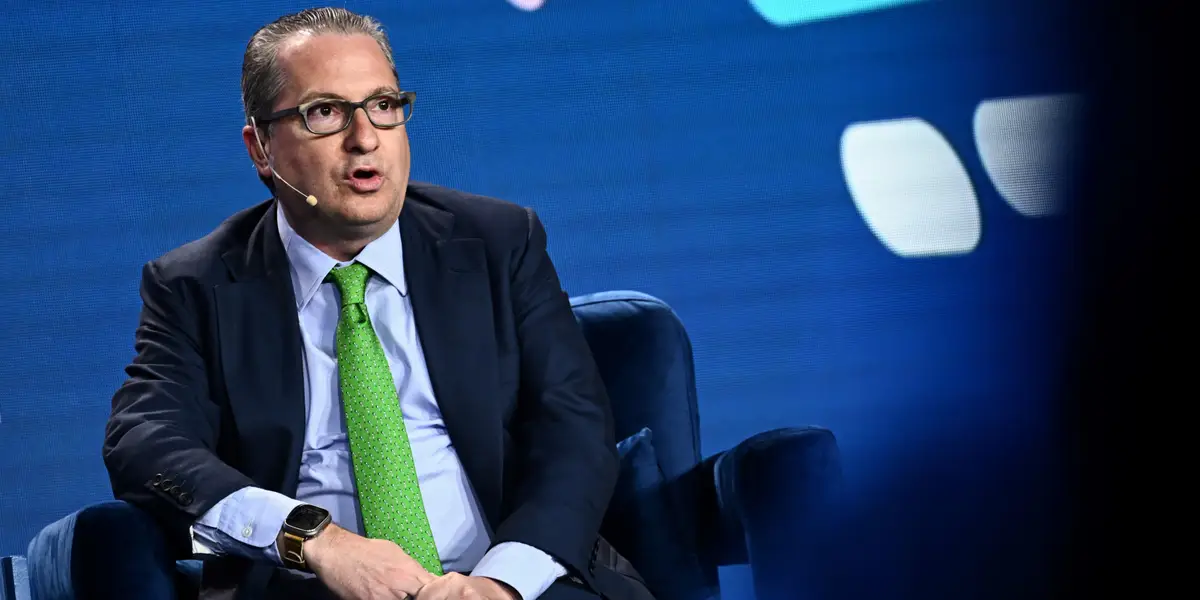
The global race to dominate artificial intelligence (AI) is heating up, but according to Tony Yoseloff, Chief Investment Officer at Davidson Kempner Capital Management, it’s becoming an expensive competition that few can afford to ignore. Speaking on Goldman Sachs’ Exchanges podcast, Yoseloff described the AI arms race as “a little bit of a prisoner’s dilemma” — a strategic trap where major tech companies must keep spending heavily simply because their rivals are doing the same.
The Investment Trap of Big Tech
Yoseloff explained that Big Tech companies, from Silicon Valley giants to major cloud providers, are compelled to pour billions into AI research, infrastructure, and compute resources. Falling behind in AI innovation could mean losing competitive ground, even if the short-term returns remain unclear.
“You have to invest in it because your peers are investing in it,” Yoseloff said. “If you’re left behind, you’re not going to have the stronger competitive position.”
This dynamic extends beyond tech firms themselves. Because a handful of mega-cap tech stocks dominate U.S. equity markets, their spending behavior influences nearly every investor — from institutional funds to everyday traders.
The “AI Wobble” Risk
While Yoseloff doesn’t dismiss AI as hype, he warns that investors may be overestimating how soon its economic benefits will materialize. Drawing historical parallels, he noted that the personal computer revolution of the 1980s took about a decade to translate into measurable productivity gains. Similarly, the internet’s widespread adoption in the 1990s took roughly six years to yield comparable results.
If AI follows a similar trajectory, the true payoff could still be years away — yet markets are acting as though it’s just around the corner. “Is there going to be an AI wobble at some point?” Yoseloff asked. “Are investors going to be concerned about how those CapEx dollars are being invested?”
Market Patience May Be Tested
Unlike previous tech booms, today’s AI investments are being driven by financially robust companies like Microsoft, Alphabet, Amazon, and Nvidia — all capable of funding massive capital expenditures through strong cash flows. However, Yoseloff questioned how long public markets will tolerate such spending without clear evidence of high returns.
“What happens when the market starts to challenge the assumptions of just what the returns are going to be?” he said. “How patient is the market going to be on those returns?”
Echoes of the Dot-Com and Nifty Fifty Eras
Yoseloff likened the current AI excitement to earlier periods of market overconcentration — notably the “nifty fifty” stocks of the 1970s and the dot-com bubble of the late 1990s. Both revolutions were built on transformative technologies, but investors who bought in at the peak often waited 10 to 15 years to recover their capital.
The lesson? Even real innovation can lead to speculative excess when enthusiasm outpaces results.
Caution from Industry Leaders
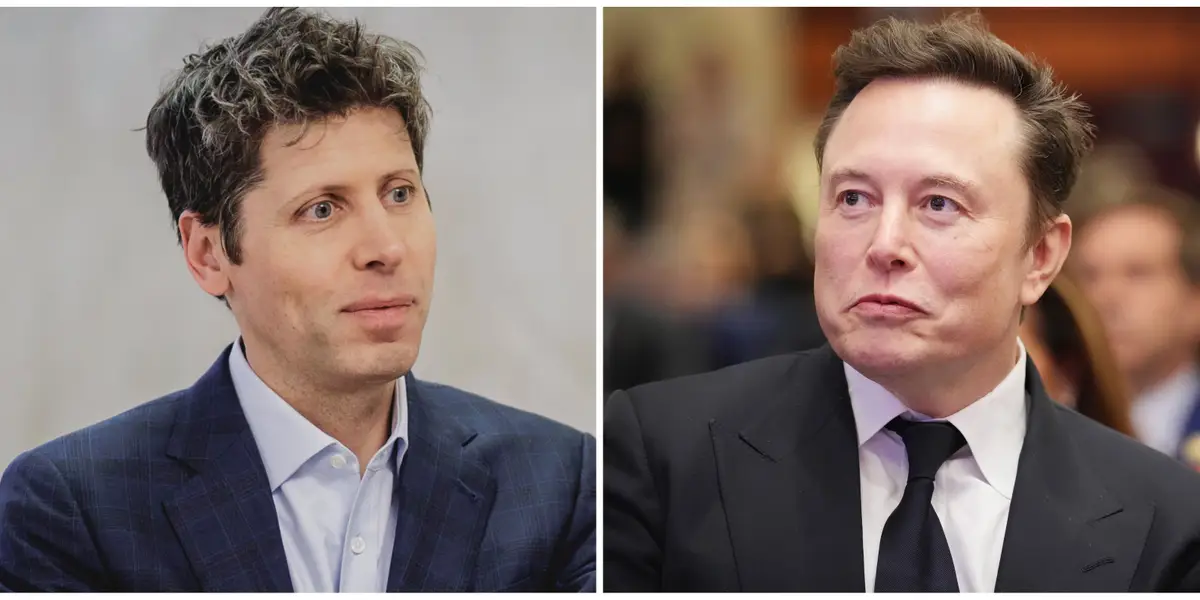
Even leading figures in the AI world share these concerns. OpenAI CEO Sam Altman has publicly stated that investors are “overexcited” about AI, though he also called it “the most important thing” in recent technological history. Similarly, Bill Gates compared today’s AI investment frenzy to the 1990s internet bubble, warning that “a ton of these investments will be dead ends.”
Conclusion: Real Innovation, Real Risks
AI is undoubtedly reshaping industries, but the road to measurable returns may be longer than investors expect. For now, the AI race remains both a promise and a paradox — a costly necessity for companies unwilling to fall behind, even if the destination is still uncertain.
For more articles like this visit Trenzest.