Introduction: A New Era for AI Applications
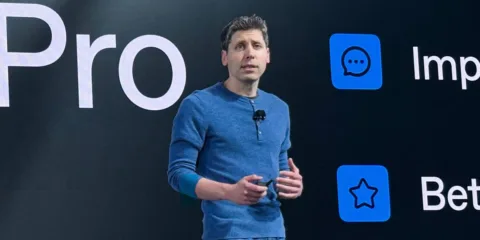
OpenAI has taken a bold step toward transforming how users interact with artificial intelligence. During its DevDay event, CEO Sam Altman announced the integration of apps within ChatGPT, marking a major shift in AI’s role across industries. With over 800 million weekly users, ChatGPT is now evolving from a conversational model into a full-fledged app ecosystem—one that could challenge long-standing players like Apple’s App Store and Google Play.
Inside OpenAI’s Vision: ChatGPT as an App Platform
OpenAI unveiled a software development kit (SDK) allowing developers to build custom applications directly for ChatGPT. This development reimagines ChatGPT as more than a chatbot—it becomes a universal interface for interacting with digital tools through natural language. Users can now perform tasks like asking Spotify to create playlists or Zillow to display properties—all without leaving ChatGPT.
How It Works: Chatting with Apps Inside ChatGPT
When a user mentions an app for the first time, ChatGPT prompts them to connect the service and select what data to share. From there, interactions are as seamless as chatting with a friend. This creates a new type of interactive, adaptive, and personalized experience, blurring the line between human conversation and app usage.
Opportunities for Developers and Businesses
For developers, this new SDK opens opportunities to reach a massive audience through ChatGPT’s growing user base. Businesses can build, scale, and monetize their apps faster than ever before. According to Altman, this will “help developers rapidly scale products” by leveraging the platform’s built-in audience and intuitive interface.
Monetization and Marketplace Dynamics
Later this year, OpenAI will begin accepting app submissions for review and publication. Developers will also gain access to commerce functionalities, enabling in-app purchases directly within ChatGPT. This model mirrors the revenue strategies of Apple and Google’s app stores, setting the stage for a new kind of AI-driven digital marketplace.
App Partners and Ecosystem Growth
At launch, key partners include Booking.com, Canva, Coursera, Figma, Expedia, Spotify, and Zillow. Future integrations will expand to AllTrails, Khan Academy, Instacart, Peloton, Target, Tripadvisor, and Uber. Apps that meet higher design and performance standards will receive featured placement, further incentivizing quality and innovation.
What This Means for the Future of AI and Digital Commerce
By embedding apps within ChatGPT, OpenAI positions itself at the center of AI-driven commerce and productivity. The ability to discover, use, and buy products conversationally could fundamentally change how consumers engage with brands and how developers distribute software.
For entrepreneurs and marketers, staying ahead means understanding how this shift will influence AI-first customer experiences and data-driven personalization.
How Trenzest Empowers Businesses in the AI Ecosystem
At Trenzest, we specialize in helping businesses navigate and leverage emerging AI ecosystems like ChatGPT’s app store. From strategic AI integration to growth marketing automation, Trenzest enables brands to transform innovation into measurable results.
Final Thoughts: The Next Step in AI-Driven Innovation
OpenAI’s move to create an AI app store signals the beginning of a new digital era—one where conversation becomes the new interface. As developers and businesses adapt, those who embrace this change early will gain a competitive edge.
With partners like Trenzest guiding brands through AI adoption, the future of innovation looks more accessible—and more powerful—than ever before.