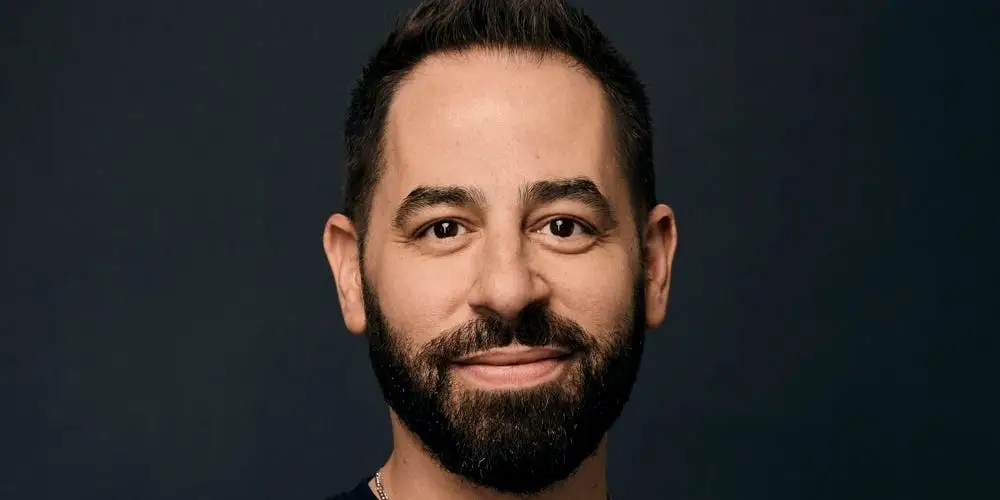

Introduction: A New Era of Synthetic Celebrities
The entertainment and marketing industries are entering uncharted territory with the rise of AI-generated personalities. One striking example is Tilly Norwood, a London-based virtual actress who has already gained nearly 40,000 Instagram followers—despite not being real.
This phenomenon raises critical questions: Are synthetic celebrities the future of digital media, or do they threaten the very fabric of human creativity?
Who is Tilly Norwood?
Tilly Norwood is the brainchild of Xicoia, the AI division of production company Particle6, founded by Dutch producer Eline Van der Velden. Introduced at the Zurich Film Festival, Tilly has sparked intrigue, fascination, and controversy in equal measure.
Industry Reactions: Excitement and Backlash
Hollywood’s Concerns
Not everyone is impressed. Actress Emily Blunt, upon learning about Norwood during a Variety podcast, voiced her alarm:
“Good Lord, we’re screwed. That is really, really scary… Please stop taking away our human connection.”
Her comments reflect a wider concern that AI-driven performers could disrupt the delicate ecosystem of creativity, connection, and artistry.
The SAG-AFTRA Response
SAG-AFTRA, the union representing entertainment professionals, took a firm stance. In a public statement, they emphasized that Tilly is not an actor but a computer-generated character trained on the work of countless performers—without compensation.
They warned producers that synthetic performers risk jeopardizing livelihoods and devaluing human artistry. The union also reminded studios of contractual obligations to notify and bargain before introducing AI-generated talent.
The Creative Vision Behind Tilly
In response to the backlash, Van der Velden defended her creation on Instagram, framing Tilly as an artistic project rather than a replacement for human talent.
“She is not a replacement for a human being, but a creative work – a piece of art. Like many forms of art before her, she sparks conversation, and that in itself shows the power of creativity,” she explained.
The Bigger Picture: AI, Marketing, and Virtual Influencers
The rise of AI-generated influencers isn’t limited to film and television. Brands are exploring synthetic personalities for digital campaigns, influencer marketing, and storytelling. With tools like OpenAI’s Sora 2, creating hyper-realistic video content has become more accessible than ever.
This evolution mirrors earlier shifts in technology—from social media influencers to virtual brand ambassadors—suggesting that AI-driven personas may soon play a bigger role in shaping consumer behavior.
Trenzest’s Perspective: Opportunities for Brands
At Trenzest, we view synthetic influencers as a powerful marketing opportunity when approached ethically. Rather than replacing human creativity, AI-generated personas can complement brand storytelling, allowing businesses to test innovative campaigns, connect with niche audiences, and scale content production efficiently.
Conclusion: Navigating the Future of AI in Entertainment
The story of Tilly Norwood highlights both the promise and peril of AI-generated celebrities. While unions and actors rightly advocate for protection, creators and brands are pushing boundaries with innovative storytelling tools.
At Trenzest, we believe the future lies in responsible adoption—where technology enhances, rather than replaces, human connection. To learn more about how your brand can leverage AI and synthetic influencers, explore our insights on digital marketing trends.