
1. Introduction
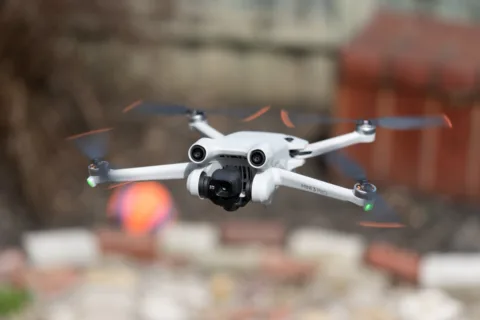
DJI, the world’s leading consumer drone manufacturer, recently lost a key legal battle in the United States. A federal judge upheld the Department of Defense’s decision to keep DJI on its list of Chinese military companies, a ruling that carries significant implications for both the drone industry and the broader tech ecosystem.
2. The Court’s Ruling Against DJI
Judge Friedman’s Decision
U.S. District Judge Paul Friedman concluded that the Department of Defense had provided “substantial evidence” to support its claim that DJI contributes to China’s defense industrial base.
Evidence Cited: Ukraine-Russia Conflict
One of the strongest arguments cited was the documented use of modified DJI drones in the ongoing Russia-Ukraine conflict. Judge Friedman emphasized that even if DJI prohibits military use in its policies, the actual applications of its technology tell a different story.
3. DJI’s Response and Legal Arguments
Claims of Consumer-Only Products
DJI has repeatedly stated that it is not controlled by the Chinese military and primarily manufactures consumer and commercial drones.
Alleged Financial & Reputational Damage
The company also argued that its blacklisting caused substantial reputational harm, lost business opportunities, and financial setbacks. According to DJI, the ruling unfairly relies on criteria that could apply to many global tech firms.
4. Broader Regulatory Challenges Facing DJI
Previous Listings by U.S. Agencies
DJI had already faced scrutiny from other U.S. government bodies, including the Department of Commerce and the Treasury Department, before being added to the DoD’s list in 2022.
Potential U.S. Ban on DJI Drones
Adding to the company’s struggles, DJI could face a complete U.S. sales ban starting in December unless a national security review clears its products of posing “unacceptable risk” to U.S. interests.
5. Implications for the Drone Industry
Risks for Tech Companies in Geopolitics
The ruling highlights the growing intersection of technology, national security, and global politics. Tech companies operating across borders must navigate regulatory risks that extend far beyond product innovation.
Lessons for Entrepreneurs and Marketers
For entrepreneurs and marketers, this case serves as a reminder to anticipate regulatory headwinds when scaling globally. Understanding these risks can inform smarter go-to-market strategies.
6. The Role of Emerging Platforms like Trenzest
Amid such uncertainty, platforms like Trenzest are proving valuable for professionals who want to stay ahead of tech and policy trends. By curating industry insights, market shifts, and regulatory updates, Trenzest empowers entrepreneurs and marketers to adapt quickly and seize opportunities—even in volatile landscapes like the drone sector.
7. Conclusion and Next Steps
DJI’s ongoing battle underscores how national security concerns increasingly shape the tech market. For DJI, legal appeals remain on the table, but the risk of a U.S. ban looms large.
For businesses and innovators, this case serves as a call to stay informed and resilient in a world where policy can shift markets overnight. To track these developments and uncover actionable strategies, explore more insights at Trenzest.