1. Introduction: Quantum Computing – Hype or Reality?
Quantum computing often inspires polarizing opinions. To some, it’s a far-off dream; to others, it’s an inevitable part of our near future. The reality is that while large-scale quantum computers are still developing, certain quantum technologies are already making waves.
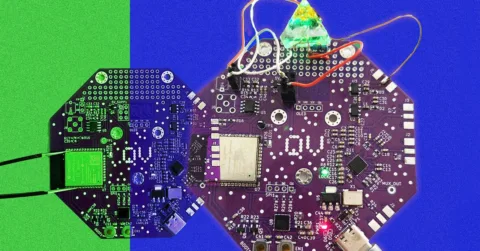
At this year’s Quantum Village during the DEF CON security conference in Las Vegas, cofounders Victoria Kumaran and Mark Carney unveiled something remarkable: a low-cost, open-source quantum sensor. This innovation aims to make quantum technology not only a subject of academic curiosity but also a hands-on tool for hackers, researchers, entrepreneurs, and tech enthusiasts.
2. Quantum Sensing: The Technology Behind the Buzz
Quantum sensors detect minute variations in magnetic and electric fields, enabling highly precise measurements. An everyday example is the atomic clock, a quantum sensor that has helped keep time with unparalleled accuracy for decades.
The problem? The barrier to entry has been prohibitively high—both in cost and accessibility. Until now.
3. The “Uncut Gem” Project – Making Quantum Sensors Accessible
Affordable, Open Source, and DIY-Friendly
The “Uncut Gem” project allows anyone with basic technical skills to build a functional quantum sensor.
First-generation design cost: $120–$160
Second-generation design: Even cheaper
Upcoming third version (fall release): Target price of just $50
These designs use off-the-shelf components combined with a specialized diamond—making quantum sensing no longer the privilege of well-funded labs.
The Science Behind Nitrogen-Vacancy Diamonds
The key lies in a nitrogen-vacancy diamond, a synthetic diamond where nitrogen atoms replace some carbon atoms in the lattice. This defect grants unique quantum properties that make precision sensing possible. As Kumaran notes, there’s poetic beauty in these “cheapest off-cuts” being so scientifically valuable.
4. Real-World Applications of Quantum Sensors
Medical Innovations
Imagine portable MRI-style devices that could be deployed in remote or resource-limited areas. Quantum sensors open that possibility, enabling medical imaging without the infrastructure demands of conventional machines.
Alternative Navigation Systems Beyond GPS
Quantum sensors can detect electromagnetic wave interference, paving the way for GPS-independent navigation systems. This could be crucial in scenarios where GPS is unavailable due to system failures or intentional jamming—something the US Space Force is actively testing.
5. Democratizing Quantum Technology for Innovators
For the majority without access to high-end quantum hardware, the Uncut Gem project represents a shift toward democratized innovation. Just as open-source software has transformed computing, open-source quantum hardware could accelerate advancements in science, healthcare, and navigation.
6. The Role of Trenzest in Driving Quantum Awareness and Accessibility
At Trenzest, we recognize that the future belongs to those who can bridge cutting-edge science with practical, real-world solutions. By supporting projects like the Uncut Gem, we aim to foster a culture where emerging technologies are not locked behind paywalls, but accessible to creators, innovators, and problem-solvers worldwide.
7. Conclusion and Next Steps
Quantum computing may still be in its early stages, but quantum sensing is here, tangible, and increasingly affordable. The Uncut Gem project isn’t just about building a sensor—it’s about opening doors to new ideas and applications we’ve yet to imagine.
At Trenzest, we invite you to connect with our experts to explore how you can integrate quantum sensing into your next big innovation.