Introduction: Innovation Meets Filmmaking
Director Danny Boyle has long been celebrated for pushing the boundaries of cinema. From the gritty realism of Trainspotting to the post-apocalyptic intensity of 28 Days Later, his ability to pair story with innovative filming techniques remains unmatched. In his latest installment, 28 Years Later (2025), Boyle elevates mobile filmmaking by choosing a surprising tool as his primary camera: the iPhone Pro Max.
From Canon to iPhone: Danny Boyle’s Tech Evolution
Back in 2002, 28 Days Later broke new ground when Boyle chose Canon digital video cameras to shoot much of the film. The choice enabled him to move quickly through an eerily deserted London, creating a raw and terrifying atmosphere that elevated the film’s iconic fast zombies.
Fast-forward two decades, and Boyle has once again defied convention—this time embracing smartphone cinematography to bring 28 Years Later to life.
How iPhones Revolutionized “28 Years Later”
Lightweight Setup and Creative Freedom
Boyle revealed in a Wired interview that filming with iPhones allowed the team to move without the burden of traditional, heavy equipment. This enabled them to shoot in remote locations while preserving the untouched look of the countryside—critical to the film’s post-human themes.
“We were able to move quickly and lightly to areas… that retained their lack of human imprint,” said Boyle.
Creating Bullet Time on a Budget
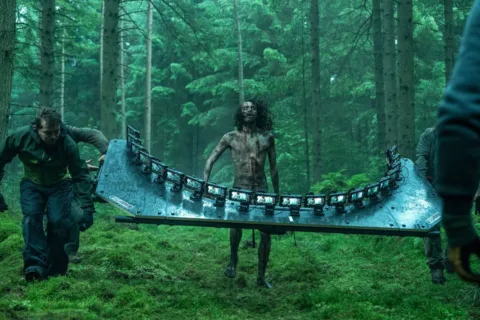
One of the most impressive feats of the film’s production was the creation of a DIY version of the iconic “bullet time” effect. Using a custom rig that mounted 20 iPhone Pro Max cameras, the team captured intense action scenes from multiple angles simultaneously—essentially achieving a high-end cinematic effect with accessible technology.
This low-cost approach not only saved resources but also proved that cinematic quality is no longer limited to big-budget studios.
The Power of Mobile Filmmaking in 2025
The use of smartphones in cinema isn’t new, but 28 Years Later sets a bold precedent. Filmmakers like Sean Baker (Tangerine) and Steven Soderbergh (Unsane) have explored the medium before, but Boyle’s mainstream endorsement may signal a wider shift.
In 2025, mobile filmmaking is more than a trend—it’s a democratization of creativity. With advanced camera sensors, cinematic stabilization, and editing tools available in your pocket, high-quality storytelling is now within reach for indie creators, marketers, and content teams alike.
Trenzest Take: Why Creators Should Pay Attention
At Trenzest, we’re passionate about exploring the intersection of technology and storytelling. Boyle’s approach highlights a broader movement: accessible tools empowering creators to produce cinematic content without massive budgets.
Whether you’re a content marketer, startup founder, or creative freelancer, there’s a lesson here—innovation thrives where creativity meets resourcefulness. Explore how creators are embracing low-cost tools in our recent blog: How AI and Tech Are Reshaping Content Creation in 2025.
Conclusion: The Future of Filmmaking is in Your Pocket
Danny Boyle’s 28 Years Later is more than a sequel—it’s a bold statement about the future of visual storytelling. With nothing but an iPhone rig and a bold vision, he proves that cinematic impact doesn’t require Hollywood-sized gear—just ingenuity and purpose.
Whether you’re a solo creator or a growing brand, the tools for compelling storytelling are now more accessible than ever. Stay ahead of creative trends and technological innovations with Trenzest—where tech meets talent.